
The Legend of Zelda series has always been one of my favorites, offering a perfect blend of excitement and challenge. The thrill of exploring a dungeon—daunting yet exhilarating—is unforgettable. Each dungeon presents unique puzzles, obstacles, and rewards that propel Link further on his epic journey. When I think about the experiences I want students to have in a math class, I see striking parallels. Just like an adventurer navigating a dungeon, I want students to embark on their own “math journey,” tackling challenges and solving puzzles that engage their curiosity and foster growth. A well-designed “math dungeon” can transform the learning process into an exciting and rewarding adventure.

Link’s Challenge: Two Step Equations
The Adventure Starts with the Unknown but Leverages Prior Knowledge
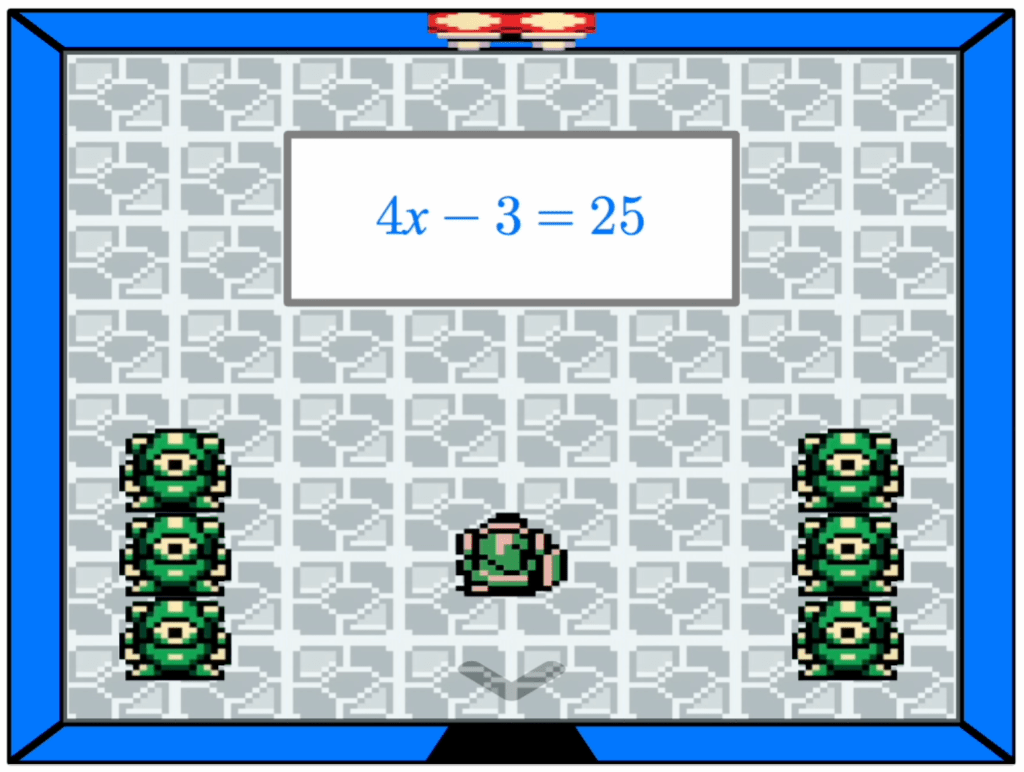
In Zelda, every dungeon begins with a sense of mystery and anticipation. You step into the unknown, but you’re not entirely unprepared. Previous experiences, tools, and knowledge guide your initial steps. Similarly, math lessons often begin with a new concept, but it builds on what you already know. Past lessons act as the foundation, giving you the confidence to explore new challenges. Like in the game, familiarity and novelty make the journey engaging and achievable.
Hints Are Provided in a Timely Way
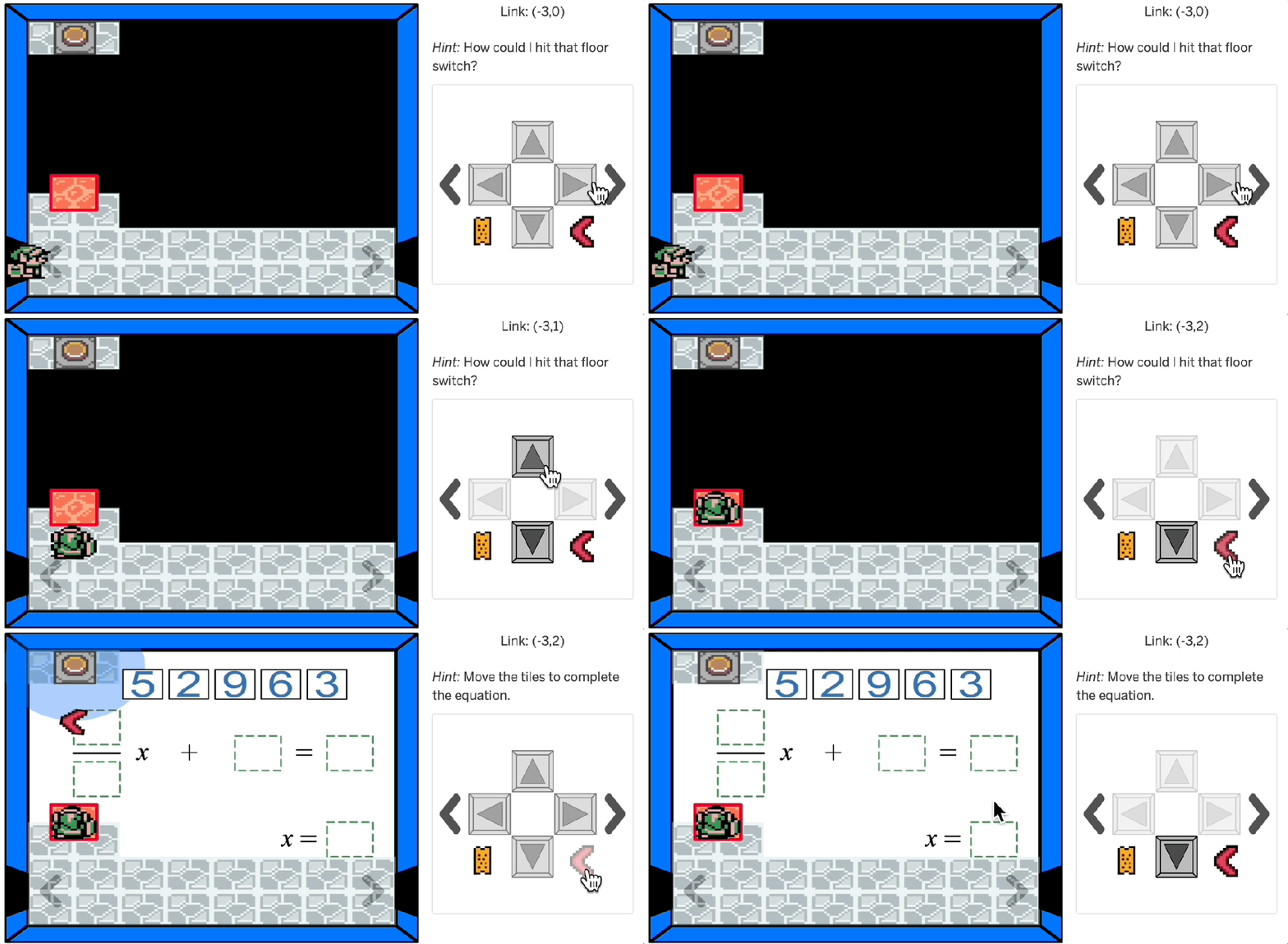
In The Legend of Zelda, timely hints, whether cryptic messages or subtle environmental clues, serve as gentle nudges when you’re stuck, guiding you without revealing the solution outright. Similarly, in a math classroom, teachers provide guidance through carefully crafted examples, strategic questions, or well-timed explanations. These hints are designed to meet students where they are in their learning journey, encouraging critical thinking and problem-solving without diminishing the sense of accomplishment. The “art” of giving hints, whether in a game or a classroom, lies in striking the perfect balance: offering just enough support to keep players or students motivated and engaged, but not so much that it takes away the challenge.Teachers are masters of the “art” of hint-giving through purposeful questioning.
Tools Are Dispersed Along the Journey, Not Front-Loaded
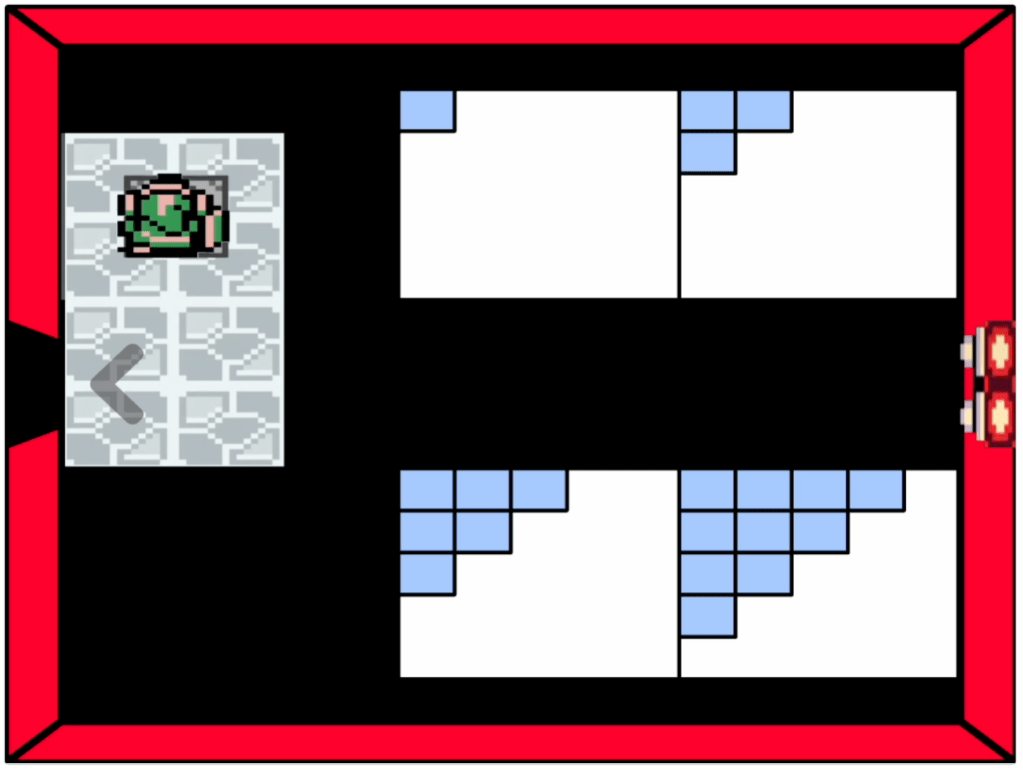
You don’t start a dungeon with all the necessary tools in Zelda. You acquire items like the boomerang, bombs, or a new weapon as you progress. Each tool is introduced at the right time, enabling you to overcome new obstacles. Well-structured math lessons mirror this approach. Instead of overwhelming you with all the tools and formulas upfront, concepts and methods are introduced gradually. Each new “tool” builds on what you’ve already learned, allowing you to tackle increasingly complex problems. This incremental approach makes the learning process feel manageable and rewarding.
Difficulty Increases but Is Connected to What Is Already Discovered
As you delve deeper into a dungeon, the challenges grow tougher. However, they’re designed to build on the tools and knowledge you’ve acquired thus far. Similarly, math lessons become progressively more difficult, but each new problem is grounded in what you’ve already mastered. This gradual increase in difficulty ensures that you’re constantly learning and improving without feeling lost. Like in Zelda, every step forward feels like a meaningful achievement.

The Boss Battle Provides Meaningful Practice of All the Skills You Have Learned
At the end of every dungeon, there’s a boss battle: an epic encounter that tests all the skills, tools, and strategies you’ve gathered. In math, the “boss battle” might be a comprehensive problem, a test, or a real-world application that combines everything you’ve learned in the lesson.
These culminating challenges provide a sense of closure and accomplishment, reinforcing your skills and showing how far you’ve come. Defeating the boss, or solving the problem, is a moment of triumph for students and players alike.

Embrace the Adventure
In both The Legend of Zelda and the math classroom, the journey is as important as the destination. The excitement of discovery, the thrill of overcoming challenges, and the satisfaction of mastering new tools create an experience that is both engaging and transformative. Whether navigating a dungeon or solving a complex problem, the process fosters resilience, critical thinking, and a sense of accomplishment. By designing math lessons that mirror the structure and progression of a Zelda dungeon, learning can transform into an adventure, one where students feel empowered to take risks, persevere through obstacles, and celebrate their growth. Just like Link at the end of a dungeon, students emerge stronger, more confident, and ready to take on the next challenge. Consider entering the math dungeon with your next lesson.
 Kurt Salisbury