Categories
Uncategorized

Rigor Is More Than Bigger Numbers: Let’s Create Mathematical Conflict

When we talk about rigor in math education, we all recognize that it’s something we strive for in our classrooms. But rigor is often misunderstood. Ask a group of educators to define it, and you’ll likely hear a range of responses—some equate it with complex computation, others with challenging content, and some with making math class “hard.”

Yet, if our goal is to foster deep mathematical understanding, we must reconsider what rigor truly means. It’s not just about pushing students through increasingly difficult calculations or going “fast” in progression of content—it’s about developing a deep, authentic command of mathematical concepts. This includes procedural fluency, conceptual understanding, and the ability to apply math in meaningful ways.

So how do we achieve this? How do we create a rigorous math classroom that challenges students without simply making the numbers bigger?

Rethinking Rigor: Beyond Computation

A common approach to increasing rigor is to increase the difficulty of arithmetic problems. For example, students may start with adding single-digit numbers, then progress to double-digit sums, which introduces the concept of carrying or starting with adding fractions with numerators smaller than denominators and then moving to include improper fractions. While computational rigor is one aspect of mathematical fluency, it’s only a small piece of the puzzle. True rigor comes from engaging students in deeper thinking, problem-solving, and reasoning.

Instead of just making problems harder through computation, we can increase rigor by focusing on three strategies:

  1. Creating Mathematical Conflict: Break Something
  2. Building Meaningful Connections
  3. Empowering Students as Mathematical Creators

1. Creating Mathematical Conflict: Break Something

One of the most effective ways to engage students in rigorous thinking is by introducing mathematical conflict: a challenge that disrupts student expectations and forces them to think critically. When students encounter something that doesn’t immediately make sense, they are more likely to engage deeply in the problem-solving process.

How Do We Create Mathematical Conflict?

  • Break something – introduce a change that breaks an established rule or expectation for students (Do the angles of a triangle always sum to 180 degrees? What about in non-Euclidan geometry?)
  • Present problems with multiple solutions – Instead of asking for a single answer, design problems where students must justify different possible responses.
  • Use open-ended tasks – Remove rigid steps and instead allow students to explore different pathways to a solution.
  • Introduce missing or ambiguous information – When students don’t have all the details, they must use reasoning and estimation to fill in the gaps.

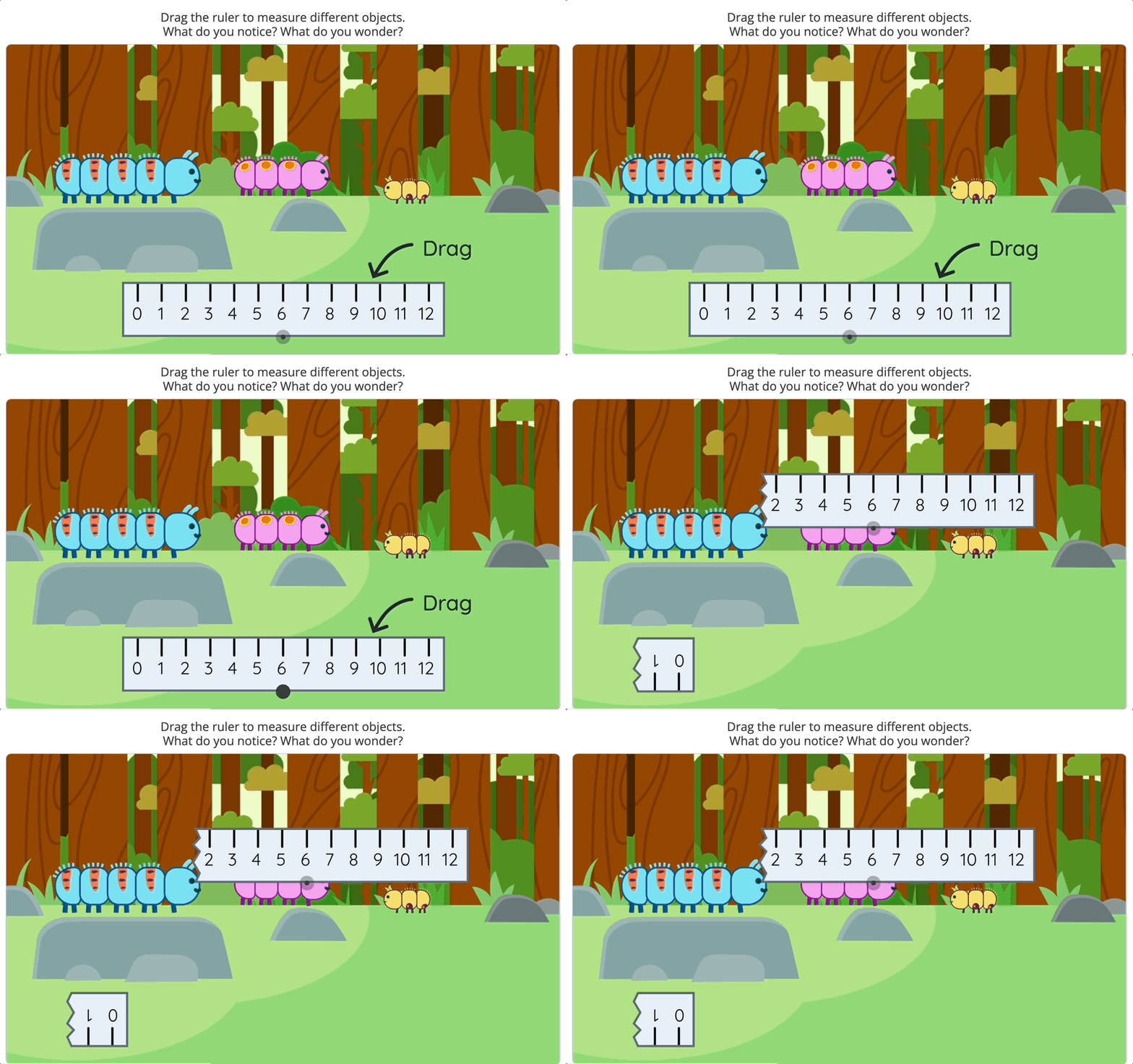
For example, in Desmos Classroom, there’s an activity where a ruler is shown with a missing section. Students must figure out how to determine the missing measurement using only the numbers they see. This subtle shift—from simply subtracting two numbers to thinking about how subtraction works—adds depth to the task.
2. Building Meaningful Connections

Math shouldn’t exist in isolation; it should be connected to the world students live in. When students see how mathematical ideas apply to real-life situations, they engage more deeply.

How Do We Build Connections?

  • Encourage the “What if?” mindset – Push students to think beyond the given problem by modifying conditions and predicting outcomes.
  • Use contexts that spark curiosity – Introduce scenarios where students must explore mathematical ideas naturally, rather than through rote exercises.
  • Let students take ownership – Provide opportunities for students to explore different mathematical relationships and make choices in how they solve problems.

Consider an elementary multiplication task. Instead of just providing two numbers to multiply, imagine giving students a hamster home design challenge. They must decide how long the tube connecting the homes should be and use multiplication factors to find the right length to complete the home. This simple shift transforms multiplication from an abstract operation into a meaningful decision-making process.
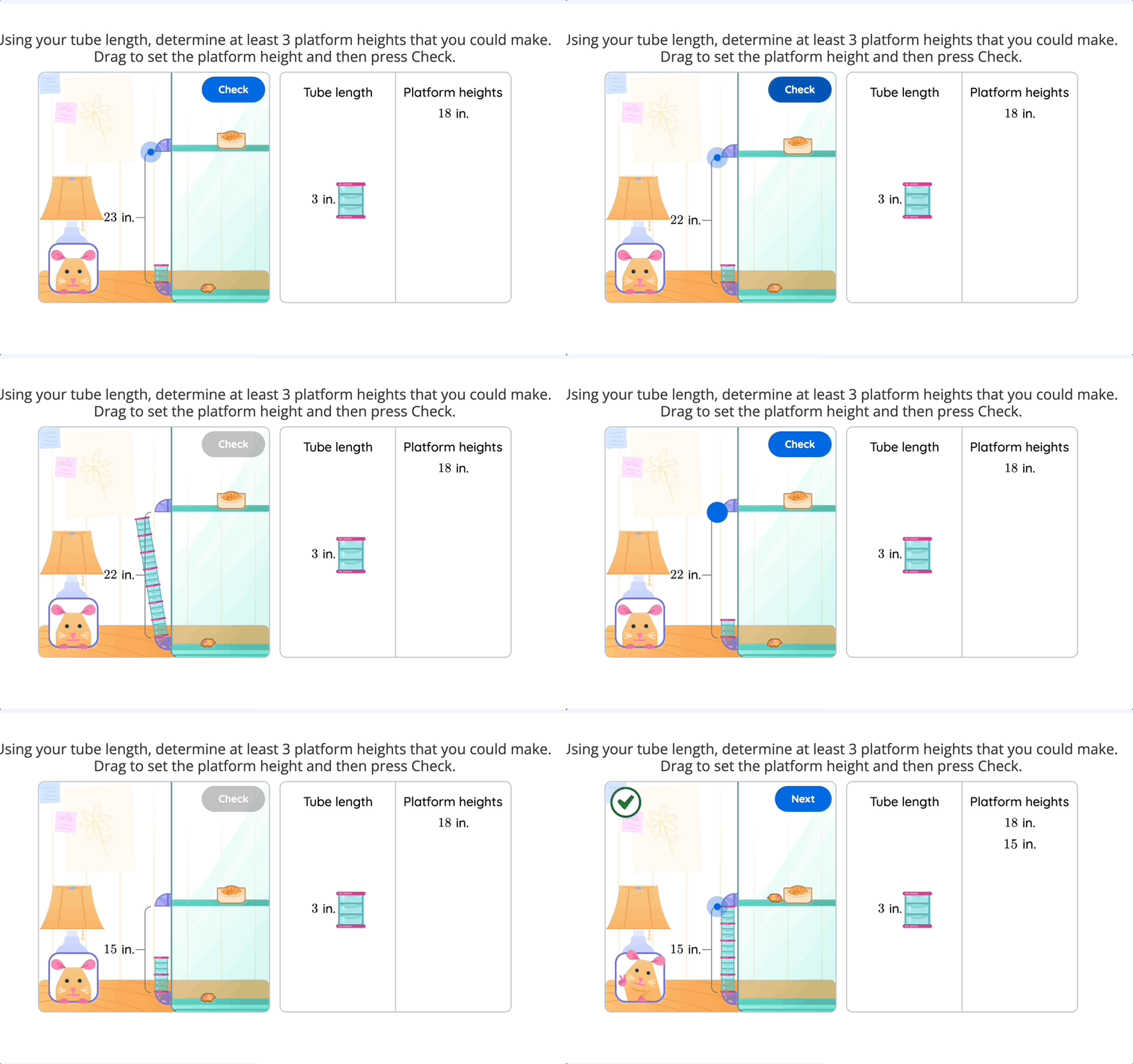
Hamster Homes Activity

When students make real-world connections, math stops being a set of steps to follow and instead becomes a tool for exploration and reasoning.

3. Empowering Students as Mathematical Creators

Perhaps the most powerful way to foster rigor is by shifting students from passive learners to active creators. When students create their own problems, scenarios, or solutions, they are naturally pushed into deeper mathematical thinking.

How Do We Let Students Be Creators?

  • Encourage student-designed challenges – Have students create their own math problems for classmates to solve.
  • Use technology to amplify student creativity – Digital tools like Desmos Classroom allow students to design and experiment with mathematical models.
  • Facilitate class galleries and peer discussions – Let students showcase their work and engage in mathematical discourse.

A great example of this in action is a classroom challenge creator—a space where students generate their own problems based on concepts they’re learning. Not only does this reinforce their understanding, but it also develops their mathematical identity. Instead of seeing math as something teachers give them, students begin to see themselves as doers and thinkers of mathematics.
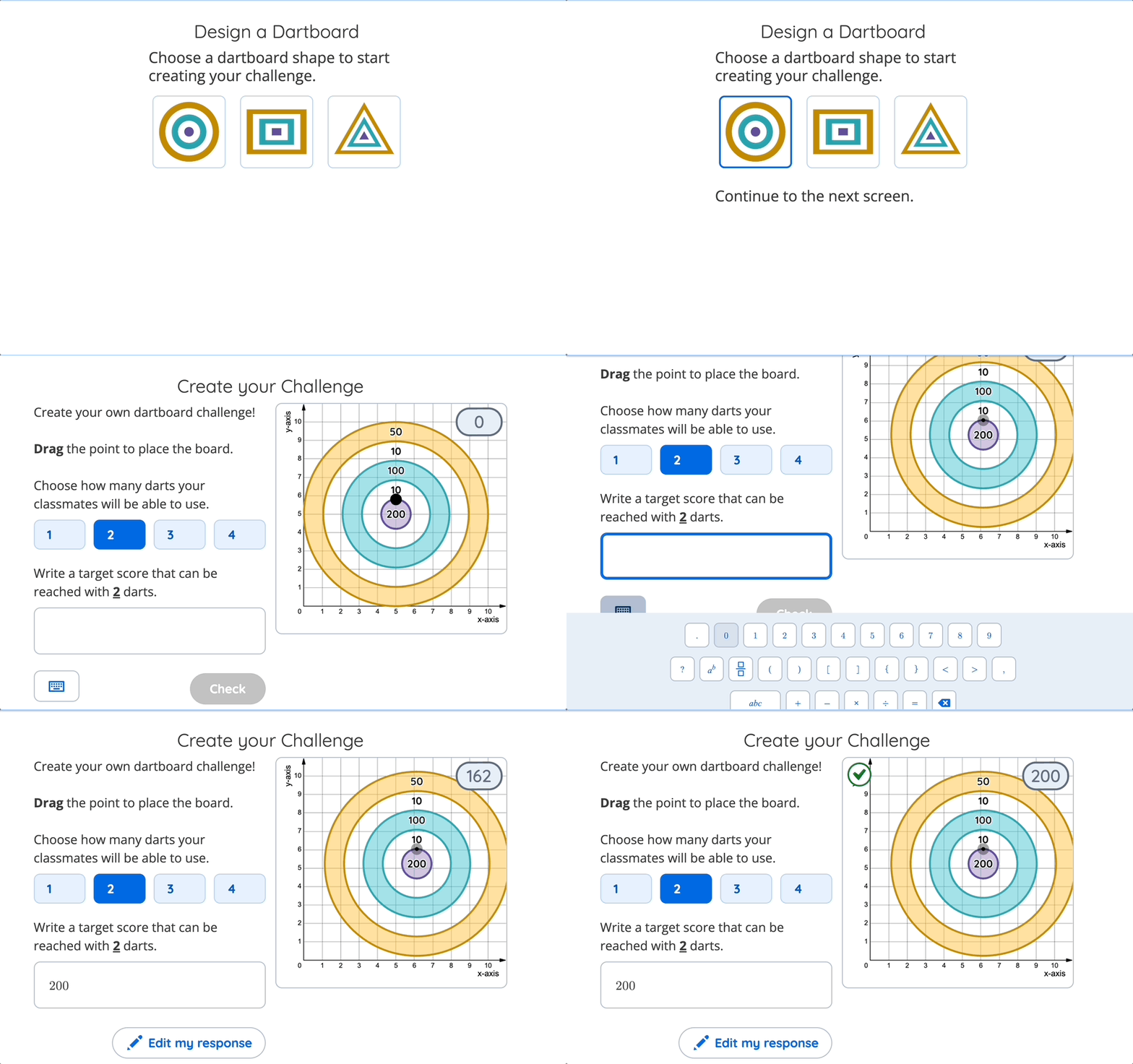
Bullseye!

Rigor Is More Than Just Harder Problems

Rigor in math isn’t about making numbers bigger or computations more difficult—it’s about creating opportunities for deep thinking. We can achieve this by:
✔️ Creating mathematical conflict that challenges students’ thinking (break something!).
✔️ Building meaningful connections that make math relevant and engaging.
✔️ Empowering students as mathematical creators who explore and design their own solutions.

When students experience math in these ways, they don’t just learn procedures, they develop a deep, lasting understanding of mathematical concepts. And most importantly, they come to see themselves as capable, confident mathematicians.

Let’s redefine rigor, not as difficulty for difficulty’s sake, but as a means to create thinkers, problem-solvers, and creators of mathematics.

Categories
Uncategorized

Enter the Math Dungeon: Creating Epic Adventures for Students

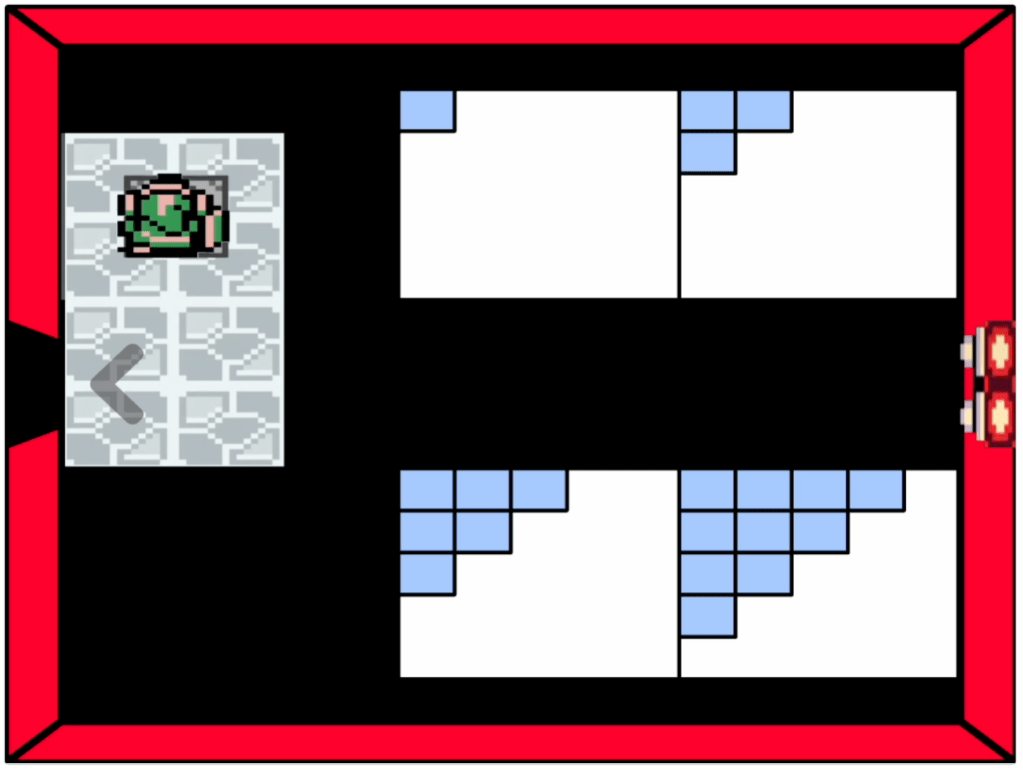
The Legend of Zelda series has always been one of my favorites, offering a perfect blend of excitement and challenge. The thrill of exploring a dungeon—daunting yet exhilarating—is unforgettable. Each dungeon presents unique puzzles, obstacles, and rewards that propel Link further on his epic journey. When I think about the experiences I want students to have in a math class, I see striking parallels. Just like an adventurer navigating a dungeon, I want students to embark on their own “math journey,” tackling challenges and solving puzzles that engage their curiosity and foster growth. A well-designed “math dungeon” can transform the learning process into an exciting and rewarding adventure.

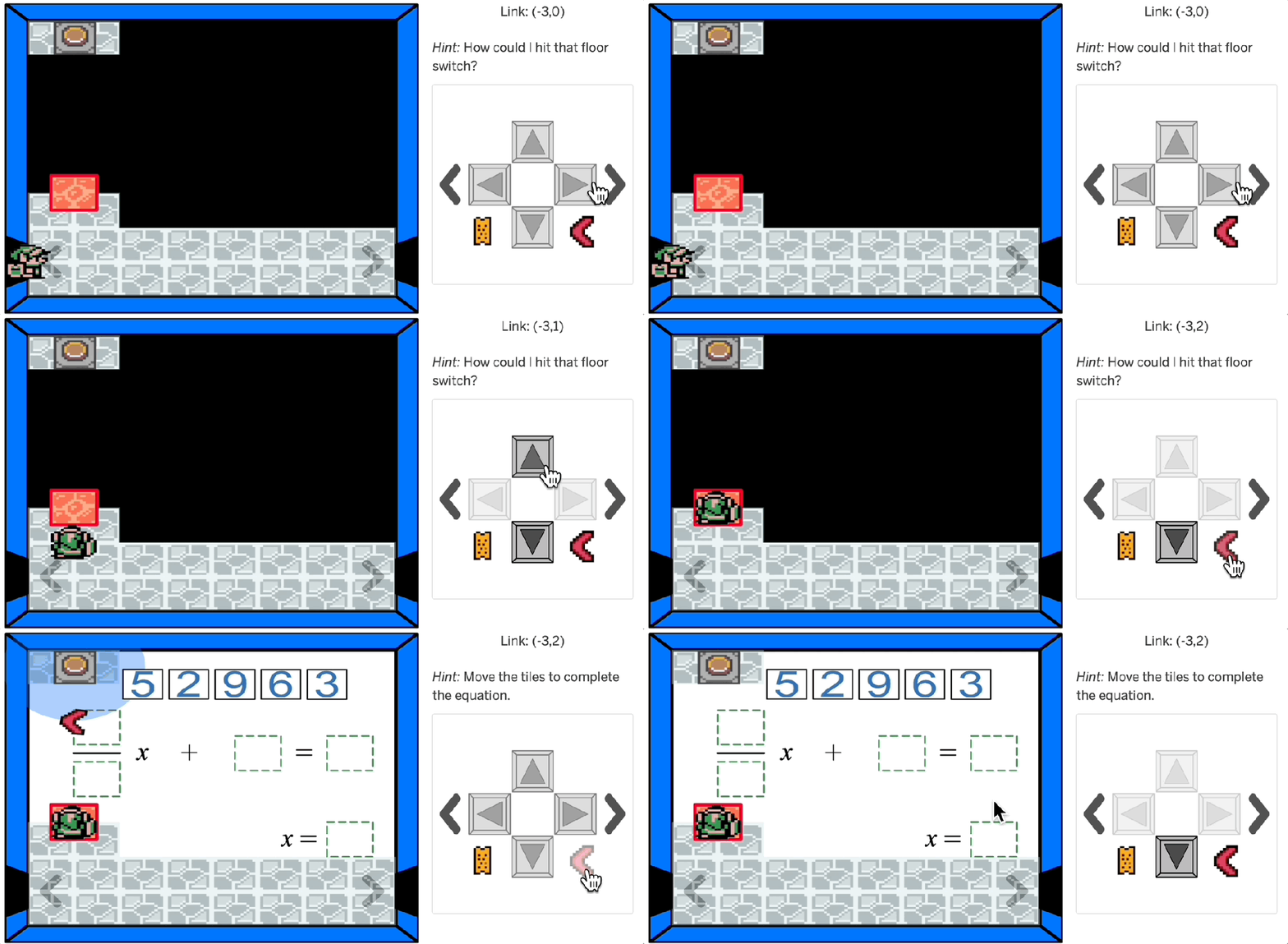
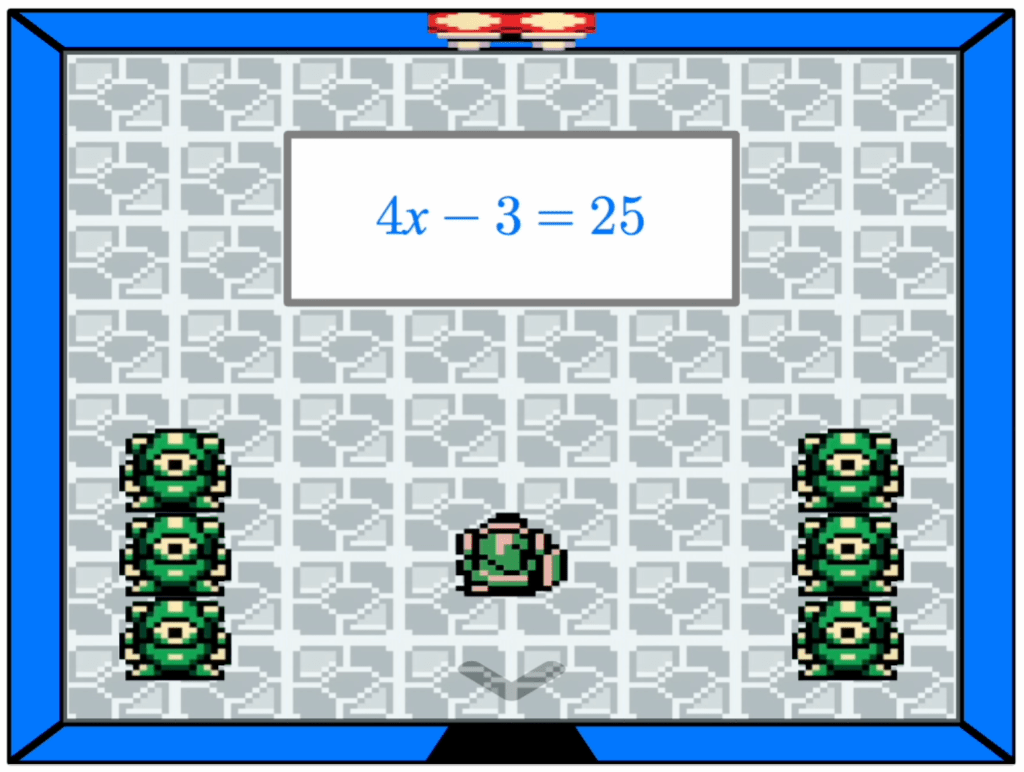
Link’s Challenge: Two Step Equations

The Adventure Starts with the Unknown but Leverages Prior Knowledge

In Zelda, every dungeon begins with a sense of mystery and anticipation. You step into the unknown, but you’re not entirely unprepared. Previous experiences, tools, and knowledge guide your initial steps. Similarly, math lessons often begin with a new concept, but it builds on what you already know. Past lessons act as the foundation, giving you the confidence to explore new challenges. Like in the game, familiarity and novelty make the journey engaging and achievable.

Hints Are Provided in a Timely Way

In The Legend of Zelda, timely hints, whether cryptic messages or subtle environmental clues, serve as gentle nudges when you’re stuck, guiding you without revealing the solution outright. Similarly, in a math classroom, teachers provide guidance through carefully crafted examples, strategic questions, or well-timed explanations. These hints are designed to meet students where they are in their learning journey, encouraging critical thinking and problem-solving without diminishing the sense of accomplishment. The “art” of giving hints, whether in a game or a classroom, lies in striking the perfect balance: offering just enough support to keep players or students motivated and engaged, but not so much that it takes away the challenge.Teachers are masters of the “art” of hint-giving through purposeful questioning.

Tools Are Dispersed Along the Journey, Not Front-Loaded

You don’t start a dungeon with all the necessary tools in Zelda. You acquire items like the boomerang, bombs, or a new weapon as you progress. Each tool is introduced at the right time, enabling you to overcome new obstacles. Well-structured math lessons mirror this approach. Instead of overwhelming you with all the tools and formulas upfront, concepts and methods are introduced gradually. Each new “tool” builds on what you’ve already learned, allowing you to tackle increasingly complex problems. This incremental approach makes the learning process feel manageable and rewarding.

Difficulty Increases but Is Connected to What Is Already Discovered

As you delve deeper into a dungeon, the challenges grow tougher. However, they’re designed to build on the tools and knowledge you’ve acquired thus far. Similarly, math lessons become progressively more difficult, but each new problem is grounded in what you’ve already mastered. This gradual increase in difficulty ensures that you’re constantly learning and improving without feeling lost. Like in Zelda, every step forward feels like a meaningful achievement.

The Boss Battle Provides Meaningful Practice of All the Skills You Have Learned

At the end of every dungeon, there’s a boss battle: an epic encounter that tests all the skills, tools, and strategies you’ve gathered. In math, the “boss battle” might be a comprehensive problem, a test, or a real-world application that combines everything you’ve learned in the lesson.

These culminating challenges provide a sense of closure and accomplishment, reinforcing your skills and showing how far you’ve come. Defeating the boss, or solving the problem, is a moment of triumph for students and players alike.

Embrace the Adventure

In both The Legend of Zelda and the math classroom, the journey is as important as the destination. The excitement of discovery, the thrill of overcoming challenges, and the satisfaction of mastering new tools create an experience that is both engaging and transformative. Whether navigating a dungeon or solving a complex problem, the process fosters resilience, critical thinking, and a sense of accomplishment. By designing math lessons that mirror the structure and progression of a Zelda dungeon, learning can transform into an adventure, one where students feel empowered to take risks, persevere through obstacles, and celebrate their growth. Just like Link at the end of a dungeon, students emerge stronger, more confident, and ready to take on the next challenge. Consider entering the math dungeon with your next lesson.

Categories
Uncategorized

Promise and Limitation of AI in the Math Classroom

Just over a year ago, I found myself in front of a group of educators—math teachers, instructional coaches and principals—when I asked a simple question: “Have you heard of ChatGPT?” I was surprised when only a handful of hands went up. I showed ChatGPT live on that day solving a system of equations, and it captured the room immediately. Artificial Intelligence (AI) is now used across all industries such as: education, healthcare, business etc.
Like most folks, I have spent the past year or so playing with AI to generate ideas, complete task and create images. Tools like ChatGPT feel like a powerful search engine or a type of conversation going back and forth with questions and answers. And like search engines, the answers aren’t always good. They are sometimes useful, but other times they get it wrong or at very least not what I am looking for.


My experience with ChatGPT has been similarly mixed when I apply it to the process of creating content. While it can complete simple tasks and generate passable content or “stuff” that will aide in what I am trying to do or save me time, the results often come off as unauthentic or lacking some element of what I am trying to create or express and needs tweaking. This highlights an important point that the implementation of AI in education is here to support our work, but it can not replace all of what we do. Understanding that, the National Council of Teachers of Mathematics (NCTM, 2024) issued a position statement on AI, highlighting three points:

  1. AI Tools Do Not Replace the Need to Teach Math or Problem Solving.
  2. AI Tools Encourage Teachers to Reimagine Teaching and Assessment
  3. AI Tools Can Personalize Learning

AI Tools Do Not Replace the Need to Teach Math or Problem Solving

AI tools like ChatGPT are transforming how teachers approach tasks such as creating quizzes. For instance, what once required 20-30 minutes to craft, writing 10 questions and their answer key, can now be accomplished in under a minute. This efficiency is undeniably beneficial, saving educators valuable time. However, the impact of AI on student learning raises concerns. Students may use AI to answer the questions provided just as efficiently, often bypassing the essential steps of critical thinking and problem-solving. However, students need to engage in the process of problem solving to be able to contest moments in which technology may not reach the desired outcome or to iterate on a process to make it more effective or efficient.

It is also important to note that tools like ChatGPT are powerful, they are not without errors. They openly acknowledge their limitations, often noting at the bottom of the interface that errors may occur. For example, ChatGPT states “ChatGPT can make mistakes.” Side note, a fun time waster is trying to create prompts that leads to errors from AI. Can I get ChatGPT to tell me things that I know are false? The possibility that AI will make mistakes emphasizes the importance of students developing a deep understanding of the mathematics or context behind problems, enabling them to critically evaluate and validate AI-generated responses while fostering independent thinking.

Furthermore, numbers are more than just values; they represent relationships and contexts that require thoughtful interpretation. AI is solid at computation and procedure but needs help grasping context nuances or deeper problem-solving connection. The implementation of new technologies makes it crucial for educators to teach students as part of the problem solving process, how to be:

  • Question creators: Frame thoughtful and specific questions.
  • Process analyzers: Analyze the processes and reasoning AI uses to generate responses.
  • Answer verifiers: Verify the accuracy and relevance of the answers provided.

By embracing this approach, teachers can leverage AI to complement, not replace, the process of teaching math and problem-solving.

AI Tools Encourage Teachers to Reimagine Teaching and Assessment.

As a student, my experience with mathematics often revolved around solving pre-defined problems by following a fixed set of steps and verifying answers. This procedural approach, which emphasized execution over exploration, consumed much classroom time. However, with AI now capable of efficiently handling many of these procedural tasks in response to student queries, there is a critical opportunity and need to reimagine the role of mathematics education.

Instead of positioning students as mere executors of processes, we must empower them to become critical thinkers, questioners, and verifiers. Mathematics classrooms should shift focus toward understanding problems deeply, thoughtfully formulating questions, and critically analyzing AI-generated solutions. This approach elevates cognitive engagement, moving the intellectual challenge to where it matters most: defining the problem, asking insightful questions, and interpreting meaningful outcomes.

The integration of AI has already catalyzed the emergence of new fields like prompt engineering, which centers on crafting precise questions to optimize AI responses. Prompt engineers bridge the gap between human intention and AI output, underscoring the importance of inquiry, critical thinking, and analytical problem-solving—skills essential for today’s learners.

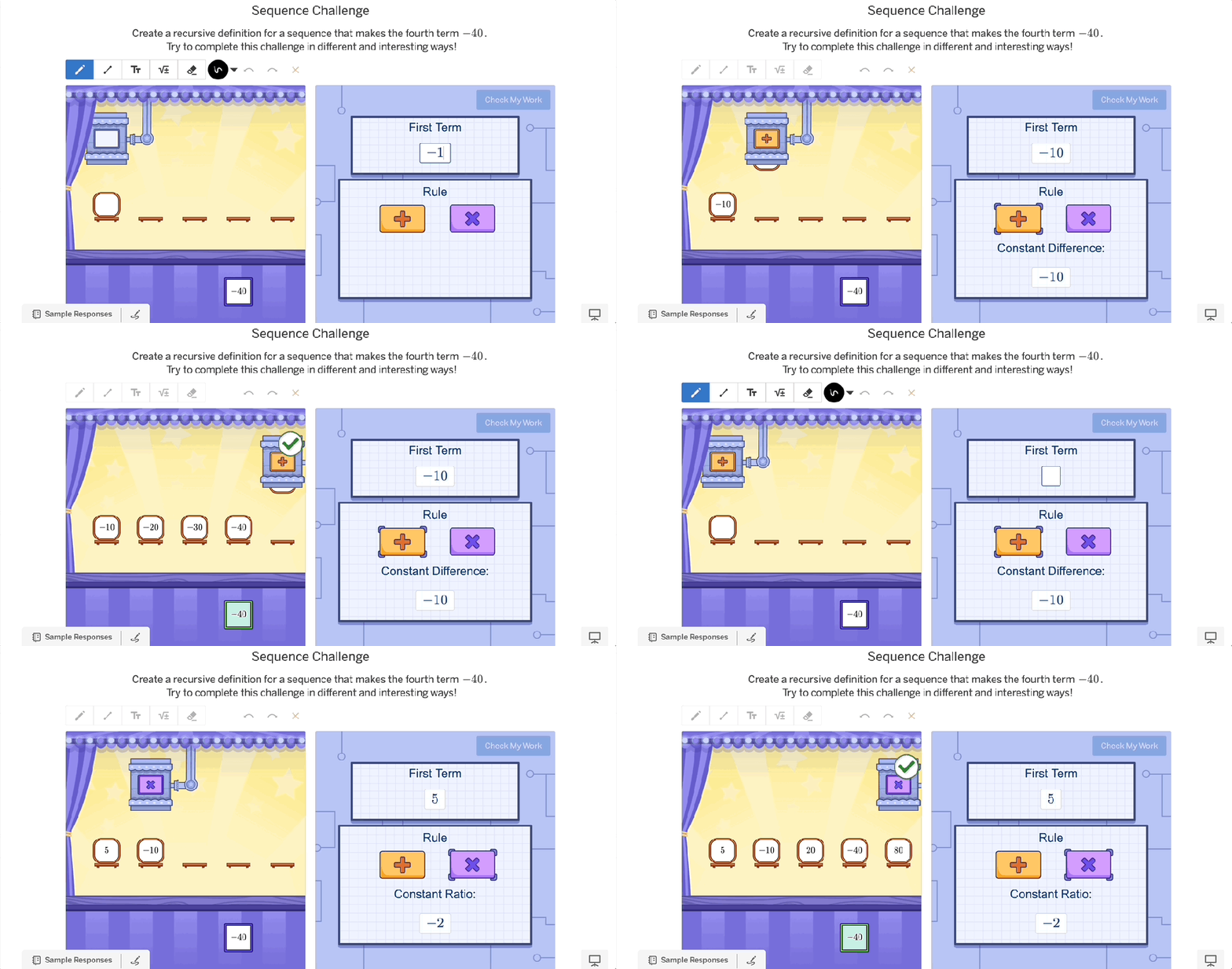
To cultivate this “prompt engineering mindset” in math classrooms, teachers can design open-ended tasks that shift ownership of the learning process to students. For instance, instead of completing a pattern and detailing the steps taken, students could create their own patterns, define the input, process, and output, and explain why their pattern works. This task challenges students to think creatively, justify their reasoning, and evaluate their solutions—skills that align seamlessly with the demands of AI-enhanced learning environments and the modern world.

Completing the pattern in math class.

Re-imagined Prompt Engineering Mindset:

By reimagining teaching and assessment through AI, we can transform mathematics classrooms into spaces where students not only solve problems but also learn to ask the right questions, interpret solutions critically, and engage in deeper, more meaningful learning.

AI Tools Can Personalize Learning

Personalized instruction has been introduced previously. It has been a part of education since the advent of computers. A notable example comes from Erlwanger’s (1973) study on individually prescribed mathematics instruction. This approach focused on identifying clear outcomes, ensuring mastery, and assessing progress. Interestingly, Erlwanger’s work highlighted the promise and challenges of personalized learning. One case involved a student named Benny, who demonstrated a fundamental misunderstanding of a concept but achieved positive results within the program. This scenario underscores that personalized learning isn’t just about outcomes—it’s about the depth and authenticity of the learning experience.

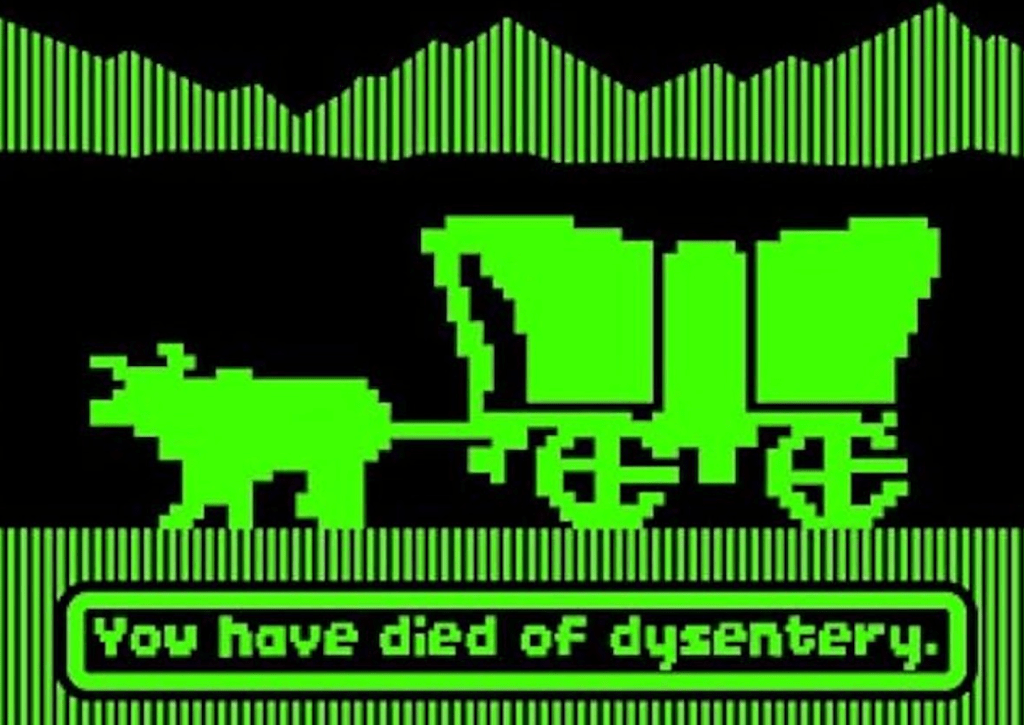
For many of us, early experiences with personalized instruction evoke memories of computer labs and educational games. I recall spending Fridays playing The Oregon Trail. It felt incredibly personal when my character died due to dysentery!

Today, AI tools promise to revolutionize personalized learning, but they also raise critical questions:

  1. What is being personalized? Is it the content, the context, the skill level, or the specific needs of the students?
  2. How is the student’s input valued? Is the focus solely on their answers, or does it also consider their process, prior knowledge, and interests?

In my exploration of various AI-driven personalized instruction tools, I’ve observed three common responses:

  1. Providing a new piece of information to support the student’s progress.
  2. Encouraging the student to try again, often with additional guidance or steps completed.
  3. Suggesting a new example or moving on to a different concept.

While these responses can be helpful, they often feel inauthentic.  Personalized instruction based on generalizations can feel less than personal.

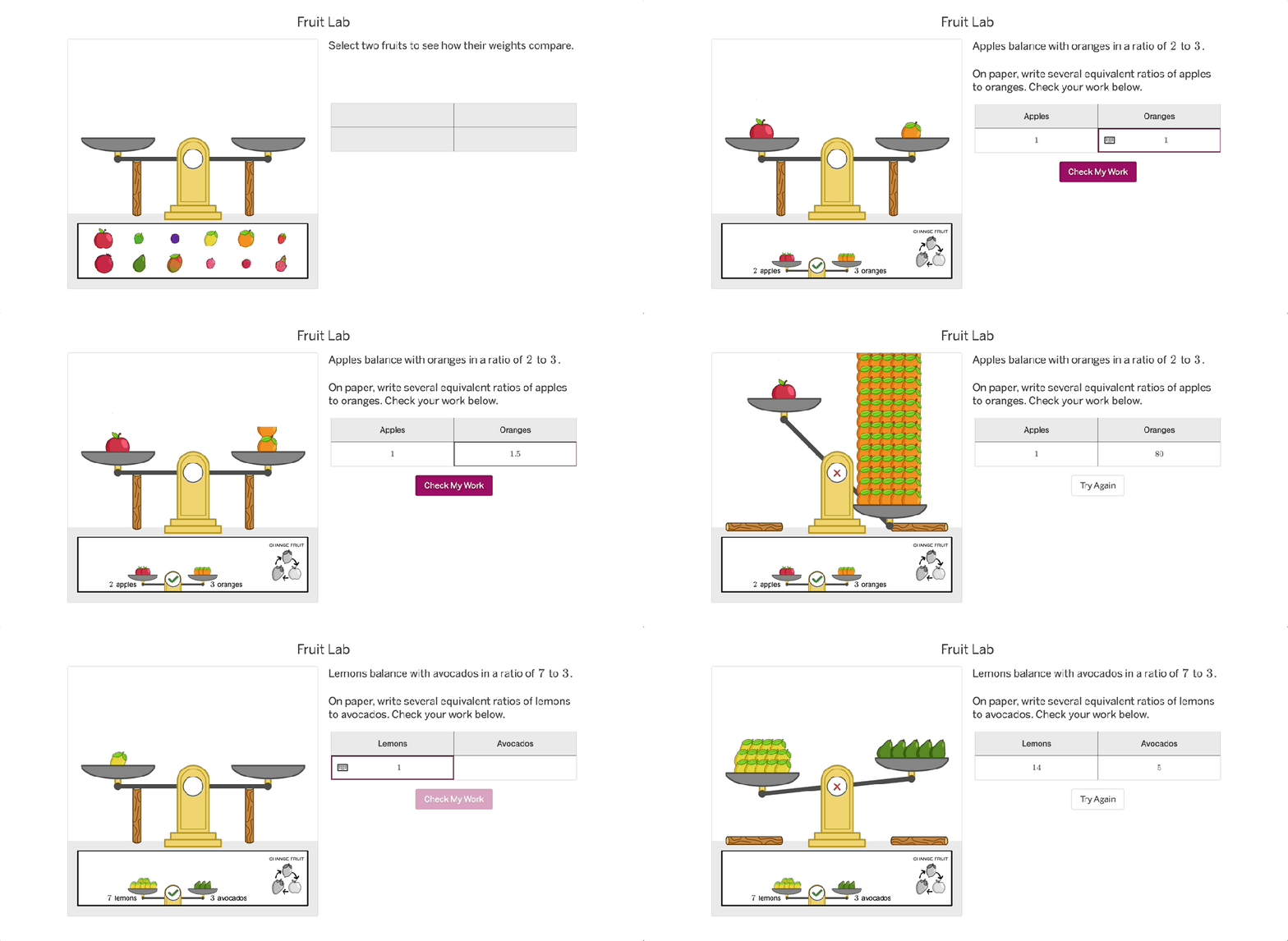
An example of meaningful personalization comes from an Amplify Desmos Math activity like “Fruit Lab.” This activity allows students to select different fruit types that reflect their preferences or backgrounds. Their choices, whether more significant numbers, smaller numbers, or specific pieces of fruit, bring their input to life on the screen. This approach values student agency and creates an organic, authentic learning experience.

AI tools have immense potential to enhance personalized learning, but the focus must be on genuine engagement. By prioritizing student input, interests, and authentic interactions, we can ensure that personalization feels meaningful and impactful—not just a one-size-fits-all algorithmic solution.

Fruit Lab from Amplify Desmos Math

Curiosity About AI

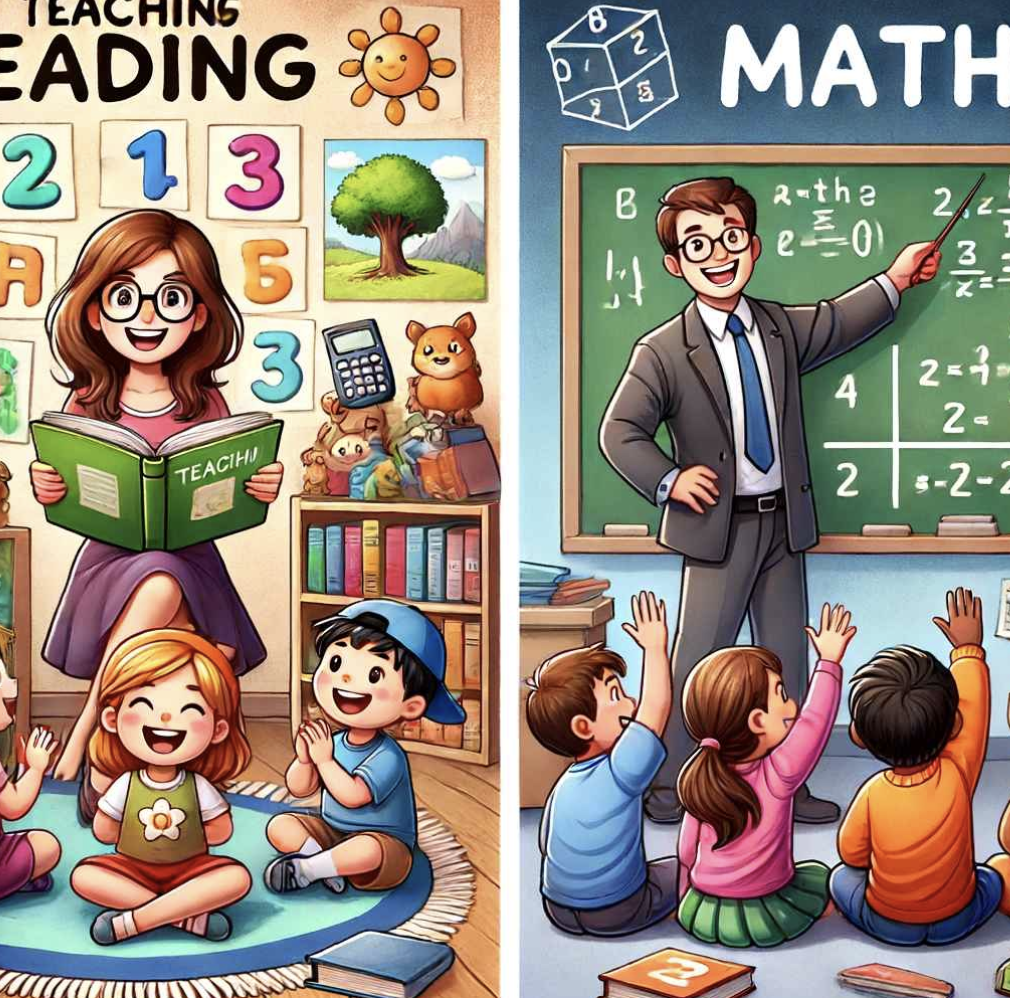
As with any new technology, I have my own curiosities and enjoy exploring and experimenting. One of the things I tried was using DALL·E, ChatGPT’s image creation tool. I entered the prompt: “A bald person wearing glasses riding [ blank ]” and fill in the blank with about 50 different animals, ranging from a tiger to a dolphin to a unicorn. What surprised me was how the generated images varied based on the background and the chosen animal.

One of the best math educators I’ve ever worked with was a bald individual with alopecia who identified as female. I wondered how or why AI assigns particular attributes like skin color, race, or gender when creating images of people. Does the AI make assumptions, and if so, on what basis? This made me consider whether my biases influenced the outcomes, consciously or unconsciously, through my prompts or expectations.

To explore further, I tried a different approach by entering prompts like “reading” versus “math.” I wanted to observe how these topics were depicted and began reflecting on whether we unconsciously assign certain stereotypes or perceptions to different fields of study. Are some issues seen as more serious or prestigious? Do we associate certain activities with specific groups of people?

These questions reminded me the importance of being mindful of how we present topics to students—including or excluding certain groups through representation. As educators and technologists, we must intentionally foster inclusivity and critically examine the biases we bring into our interactions with AI and each other.

Promise and Limitation

As we consider the transformative potential of AI in education, particularly in mathematics, it’s clear that we’re at a pivotal moment. The National Council of Teachers of Mathematics (NCTM) challenges us to rethink teaching and assessment: how we structure classroom experiences, the kinds of questions we ask, and the ultimate goals we set for our students. Are we preparing them to become problem-solvers and critical thinkers—or even, in some cases, prompt engineers who navigate complex tools like AI?

Our role as math educators has never been more vital. AI presents exciting opportunities to personalize learning, streamline workflows, and automate routine tasks, allowing us to focus more on creativity and deeper connections with students. However, we must proceed thoughtfully. Personalization driven by AI may sometimes rely on broad generalizations, and it is essential to remain critical of its design and implementation.

While AI can support and enhance our work, it will never replace the human connection at the heart of effective teaching. True adaptability, fostering a sense of belonging, and addressing biases with intention are inherently human qualities that technology cannot replicate. Let’s leverage AI as a tool, not a replacement, so that we can continue to inspire students and equip them to solve tomorrow’s problems.

Categories
Uncategorized

Wrong Answers Only

A popular trend on various social media platforms or websites is to post a picture or image and invite people to post “wrong answers only.” The creativity in the wrong answers is often brilliant. There is a level of cognitive gymnastics that a person does in making an answer wrong, but also close enough to have some humorous connection. Here is an example of naming this movie (Iron Man) with wrong answers only.

A sample response would be Feman in reference to the word Iron, which the chemical symbol Fe replaces.

People who view this type of meme, must analyze the picture and determine how the wrong answer is connected to find the humor. Developing connections and analyzing information is an integral part of being a mathematician.

I’m not too fond of some of the standardized questions students are presented with in math class. Students will often guess the correct answer or get the answer incorrect by making a computation mistake even if they have a rich understanding of the concept. As a teacher, I would ask students to explain their answers to understand the student response further and would often get an explanation such as, “I used this formula” or “multiplied these numbers,” which did not offer insight into student critical thinking. It often felt like a regurgitation of steps without much thought.

Instead, what if we removed the correct answer and gave students “wrong answers only” and asked them to analyze this situation, similar to the response to the meme at the beginning of this post?

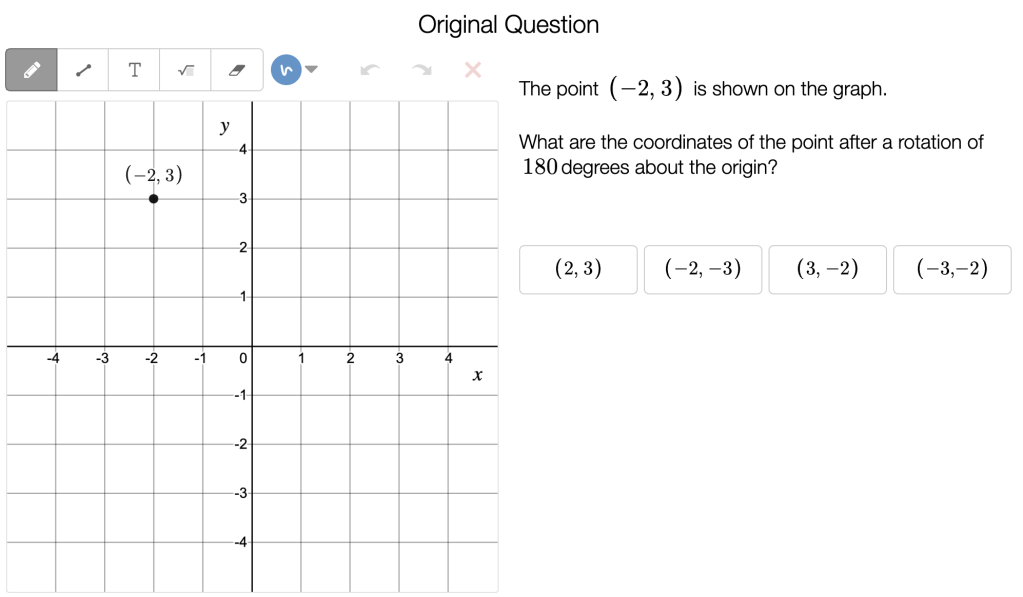
The following is an assessment question related to transformations. Fully acknowledge that a question such as this is necessary to prepare students for standardized testing, but let’s try to improve it using a “wrong answers only” approach with the prompt that all these answers are wrong, please select one and tell me why. (Note: If you desire for students to tell you the correct answer, that can be the final step in the problem. Or better yet, discuss the right answer as an epilogue to sharing explanations of the wrong answers.)

Why I like this shift in problem structure:

1. Placing Value on Wrong Answers

As a student, I often learned more from wrong answers than correct ones. In particular, when I took the time to unravel why they were wrong. I like the idea of promoting this instruction practice of students dissecting why something is not working. Furthermore, there is a subtle nod of students developing some familiarity with the potential “traps” test writers might include in developing wrong answers as part of standardized assessments.

2. Promoting Student Choice and Varying Strategies

I love the idea of students picking which answer choice they want to analyze. There is potential for rich discourse alone in asking students which one they selected to explain, not to mention the actual explanations. Also, the number of strategies will most likely vary greater than if I had asked students to explain the correct answers. With many standardized questions, there is usually only one way or strategy to be accurate as apposed to the varying wrong answers. At the same time, there are probably more ways an answer may not fit that will demonstrate some student understanding of the concept.

3. Concept in Progress

Students may not fully understand how to answer a question, or their understanding of the concept may still be in progress. If we focus only on the correct answer, we may not uncover what a student knows about the concept. Students either get the problem wrong or guess the correct answer, leaving little evidence of their thought process if they have not developed the concept yet. In the example above, a student may not be able to find the rotation of the point 180 degrees about the origin. Yet, if a student picks one of the wrong answers and can describe a reflection, we can build from it to help them understand the concept of rotation.

It is important to note that I am not saying that determining the correct answer is not necessary. Finding the right solutions is part of developing mathematical proficiency that we frequently do in math class. However, I love the idea of pressing on student understanding and mathematical connections through “wrong answers only” as a twist to standardized test questions.

Categories
Uncategorized

What Happens Next Tuesday (transferable math strategies)?

What happens when something unexpected occurs? It is a question that I reflect on quite often, not just in teaching mathematics but in all types of situations. My son, who is autistic, is an extreme follower of rules. More than anyone I know, established routines govern his life and provide him comfort. However, when habits are broken, learning opportunities happen.

A prime example of a routine for him is the path we take to school or the store. If we take a different route, it will typically lead to frustration. At this moment, I have to make a choice as a parent:

  • Offer him a new routine or rule to make sense of the change. 
  • Allow him to struggle with strategies he has used in other situations to make sense of what is going on.  

The quick fix is to offer a new rule such as “this is the path we will now take on Tuesdays” instead of struggling with “it is ok that we take this route this one time, we have to be flexible, use some of your strategies.” The problem with the quick fix is that while it works now, what happens next Tuesday? Will I remember to go the new way?

I tell that personal anecdote as it is similar to some of the thoughts I have been having about the Algebra 1 curriculum that is currently under construction at Desmos. The unexpected happens for students in Algebra when they first encounter quadratic equations. Students spend most of middle school mathematics learning about linear patterns through proportional reasoning and constant rates of change. However, when teaching quadratic equations, there is a potential tendency to jump to various rules and define new situations for students (some of which do not work in every case). Here are just a few:

  • F.O.I.L. (First, Outside, Inside, Last)
  • Factoring Rules with Boxes or X’s
  • Standard Form
  • Factored Form
  • Vertex Form

Not saying that defined structures, rules or formulas are not an important part of Algebra. The current unit Desmos has released addresses the last three and a slew of vocabulary words related to quadratics. The build-up of conceptual understanding through patterns and visual representations is where the unit shines. It allows students to use familiar strategies instead of rules to make sense of quadratics.

For mathematicians, analyzing patterns and exploring visual representations are two transferable strategies when encountering a new or unexpected situation.

Analyzing Patterns

Devoting time to exploring the pattern of quadratic functions can be a helpful step in transitioning from linear to quadratic thinking. Students come to Algebra from years of pattern explorations in earlier grades and this should feel somewhat familiar to them, but with a new twist.

At the beginning of the unit students are asked to build a pattern and then extend it to step ten with some Desmos interactive magic.

Exploring Visual Representations

After exploring the pattern of quadratics, students have space to play with the graph. Understanding the visual representation of a quadratic in the form of a graph is pivotal to developing connections to various types of quadratic equations.

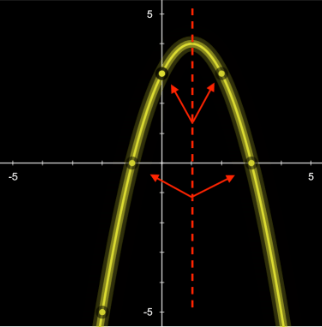
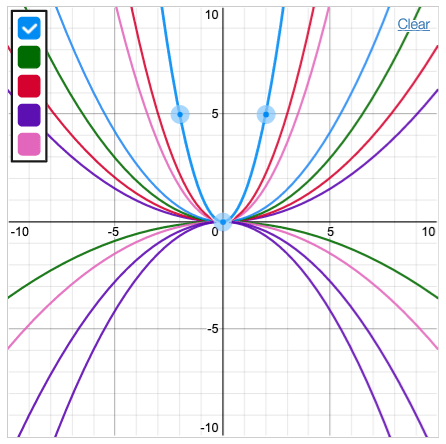
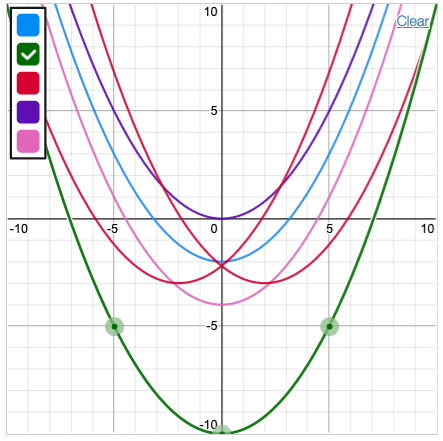
Students are encouraged to manipulate the graph of quadratic functions using the vertex, concavity, and the concept of symmetry to create some visual art.

There are a variety of approaches to teaching any mathematics content, but are we overloading students with a set of rules that may not work next Tuesday? Consider anchoring students in analyzing patterns and exploring visual representations as transferable mathematical strategies to lean on in any situation.

Side note: If you have not made some parabola art yet, highly recommended, it is a lot of fun.

Categories
Uncategorized

Parabola Zapper: Beauty in the Misses

One of my favorite parts of my role at Desmos is having the opportunity to engage in math with teachers. Recently, I took one of our new (and free) Algebra 1 lessons, Parabola Zapper, for a spin with several groups of math educators located in various parts of the country. Whenever I’m teaching a new lesson, the unexpected often excites me. The surprises in this lesson came from the variety of responses to the activity. In particular, the missed zaps from the teachers.

Connection to the x-axis

Early in the lesson, students (teachers in this case) have to “zap” the parabola by finding points on the graph. However, the incorrect zaps or misses provided just as much insight into student thinking as the correct ones. The equation yields students some clues to the location of the parabola. I observed several students input the value of (1,0) or (-3,0) from looking at the equation. The misses here along the x-axis demonstrate a level of understanding about the connection between the factored form of the equation and the x-intercepts.

Plugging in a point into the Parabola Zapper

Finding the Vertex Visually

Similarly, one of the students had a couple of misses surrounding the vertex. The location of the misses are signs that the student used visual understanding of the graph rather than computation to locate the vertex. Building connections, particularly early in the lesson, is more important than finding the exact location of the x-intercepts or vertex on the first try. The beauty of the misses helps shape students’ thinking about a vertex, where it is located, and why it might be potentially significant.

Varying Approaches

As a Curriculum Consultant and former teacher myself, I enjoyed seeing multiple approaches to finding the parabola.  While some students focused on the vertex and x-intercepts to light up their parabola, others used the concept of symmetry.  Given the time, it would be interesting to further dive into these two approaches.

What approach will your students take? Click the link to try it out. 

Categories
Uncategorized

Practice vs. Play

Processing through my dissertation data has reinforced my belief that students need to play or “tinker” with mathematics. Play is important because students are allowed to control part of the learning narrative. According to Seymour Papert, “I am convinced that the best learning takes place when the learner takes charge.” Play can take a variety of forms through manipulatives, projects, or a well-constructed task. Or it can be a simple shift in changing a practice problem into a more open question or having students interpret a mathematical situation.

Open Problem

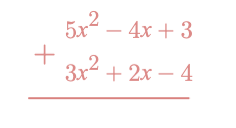
Recently, I created a Desmos activity involving polynomial addition. Practicing adding and subtracting polynomials is a skill that is needed in algebra as it is part of manipulating the language of algebra, which can be useful in problem-solving. However, practicing a skill without exploration or connections can restrict student understanding to procedural fluency or a programmed series of steps. Programming without context is limiting at best. Below is an example of a practice problem with no context, useful in developing skills but can curtail student thinking and student input.

In the same activity, before the practice problem above, I made a slide where students move tiles into different piles to create a given sum (seen below). The shift of having students create the problem by playing with digital manipulatives offers opportunities for different strategies. There is cogitative strength in constructing mathematical connections. Students can make connections among manipulatives, algebraic notation, and quantities through play.

Interpreting A Situation

Functions are essential tools in mathematics as they allow for the construction of models to explore relationships. Defining functions and then having students practicing determining if something is a function or not or even classifying the type of functional relationship (linear, quadratic, exponential) is a valuable skill. Yet, functions without context limit student mathematical understanding. George Pólya encouraged teachers to have students interpret mathematical situations and restate them in their own words as a strategy for solving problems. Play is one way students interpret situations and can tell a mathematical story.

Below is a slide I created as part of exploring the sketch feature in Desmos. The premise is simple, “What happens when you sketch?” Students can play with different types of sketches and determine what happens. Feedback through technology helps shape student understanding through the multiple ladder racers on screen. The speed at which the racers climb, if they are going up or down, where they start on the ladder, which racer is in first place, and if multiple racers appear on a single ladder all depend on the sketches students create. This type of visual feedback is one example of how using technology to play can create meaningful learning conditions for students. When students interpret a situation, they give meaning or purpose to mathematical concepts.

While practice can support student learning in mastering basic skills and applying knowledge, play can create the conditions for student driven discovery and for student centered learning.

Categories
Uncategorized

Creating Desmos Lessons for Algebra

Introduction

In preparation for the school year, I was approached by one of our Algebra teachers to create a set of Desmos lessons for both face-to-face and online instruction. It is important to note that these lessons are not perfect, and I would recommend looking through the more polished mathematical experiences found at teacher.desmos.com before the ones that I have created. I post the lessons I build to contribute to the math teacher community and receive feedback to improve my craft. Following is an outline of the first unit and some features of the lessons.

Overview of Unit 1

The set of nine lessons in this unit is a review of some of the skills students will need to succeed in Algebra. The first three lessons include order of operations, combining like terms, and the distributive property, which are algebraic tools that will be useful throughout the course. The next set of three lessons provides practice in these skills in solving equations and inequalities. Students also encounter other algebraic ideas such as modeling of equations and dividing by a negative coefficient with inequalities. The unit concludes with applying the skills reviewed in the first six lessons to “word-problem” like situations and literal equations. The transition from the calculation of values to the manipulation of variables is a hallmark of student mathematical progression in algebra.

Lesson Layout

Along with building the unit from computation of expressions to manipulating variables, there are few other guiding ideas behind the lessons I created. Understanding how the lessons are structured may be beneficial if you use them in your classes.

Introduction Slide

I like to begin each lesson with a slide that is open for interpretation and is accessible to everyone in the class. Too often, teachers start class with a standardized test question that may discourage some students or turn them off to the math lesson. How would you feel as a student if you missed a problem two minutes into the class starting?

In the first video below, students see an animation of a red and yellow counter meeting and disappearing. Students are asked what do you notice? There is no right or wrong answer to the question. It is there to provoke thought and set up the lesson for the day. In the second example, Mario jumps a gap between two hills, and students can choose how they would like to express what they are observing. I love the idea of students having options on how to share their mathematical thoughts.

Red and Yellow Counters
Mario Jumping

Visual Models

One of the benefits of using a technology such as Desmos is connecting mathematical ideas to visual models or animation. In the distribution lesson, students can visualize an area model by seeing the distribution of a quantity or variable across multiple added values. This type of visualization provides a conceptual level of understanding to support the algebraic process. Visual models also provide meaningful feedback that may help anchor mathematical knowledge. For example, in the make it balance lessons, students receive feedback in the form of the model balancing or tipping one way or another based on student response. This type of visual feedback is more purposeful and powerful than just right or wrong.

Distributive Property
Visual Feedback

Analyze

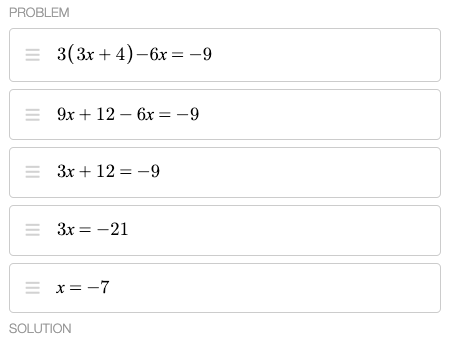
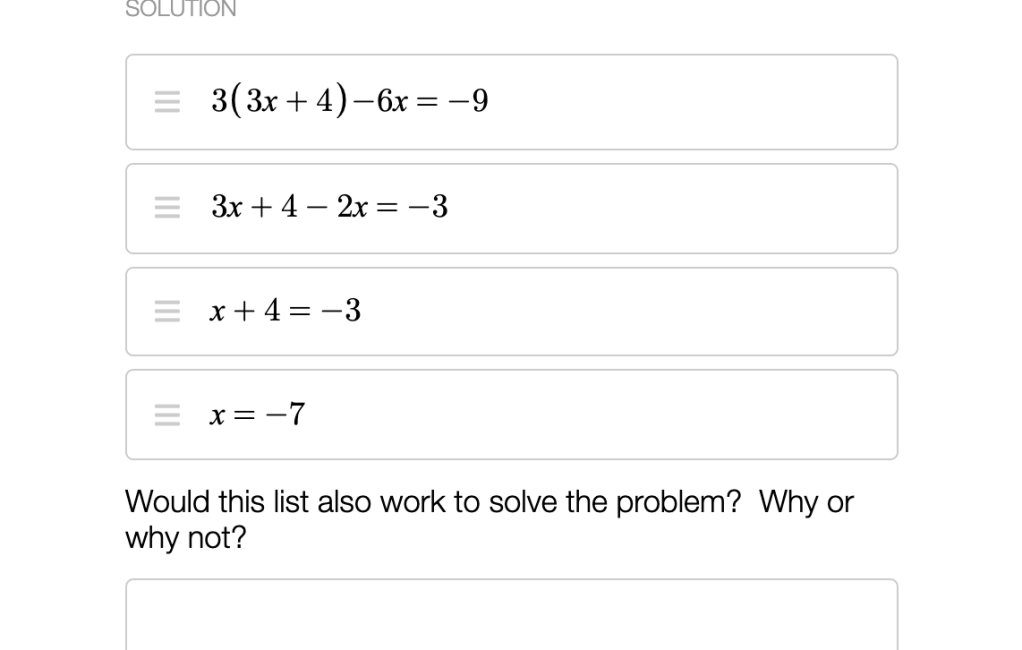
A key feature of being a mathematician is analyzing a situation and discovering what is going on. I like presenting students an answered mathematical problem and having them determine if it is correct or not and why. I will often throw in a wrinkle that they may not have encountered yet to push their thinking a little bit further. For example, shown below, I ask students to put a series of steps to solve a problem in order, but an alternative way to solve the problem appears when they do. I ask them, would this also work? Students often believe there is only one way to solve a problem in mathematics. I try to think about ways to push students to move away from this mode of thought by having them analyze a variety of related mathematical situations.

Conclusion

The creation of these lessons are an attempt to support our Algebra 1 teachers in this time of uncertainty by having a set of mathematical experiences that can be taught virtually or in person. I am happy to share anything that I create to support the mathematics teacher community. If you choose to use them, please let me know how it goes and how they can be improved. You can find the entire collection here: https://kurtsalisbury.com/algebra-1/

Categories
Uncategorized

Exploring the Desmos Curriculum

What makes a quality math curriculum? Our school district has been fortunate enough to be selected to pilot the Desmos Curriculum, based on the work from Illustrative Mathematics and Open Up Resources. In preparation for the upcoming school year, I have spent some time going through the lessons. When it comes to curriculum, NCTM (2014) states that “An excellent mathematics program includes a curriculum that develops important mathematics along coherent learning progressions” (Principles to Action, p. 70). Coherent learning progressions value connecting content in meaningful ways across grade levels, units, and individual lessons. The linking of mathematical ideas is one of the many aspects of the Desmos Curriculum that stands out.   

Connecting Mathematical Ideas

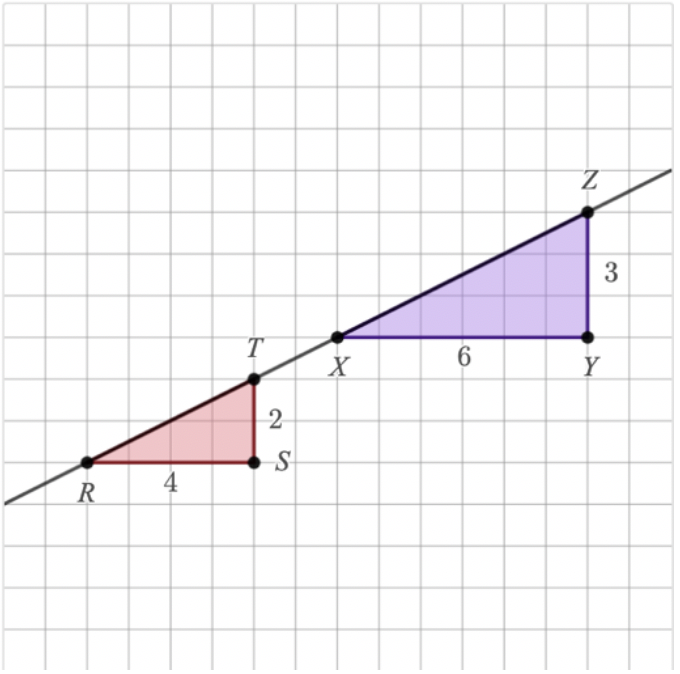
In middle school mathematics, developing an understanding of linear relationships is a focal point for student learning. In particular, connecting the ideas of similar triangles, proportionality, unit rate, and slope serve as a  foundation for all things linear (Boaler, Munson, Williams, 2020). Water Slide, a previous activity that Desmos has redone, is one of my favorite lessons that I have worked through thus far. The experience weaves similar triangles, proportional relationships, and unit rates to build a conceptual understanding of slope.

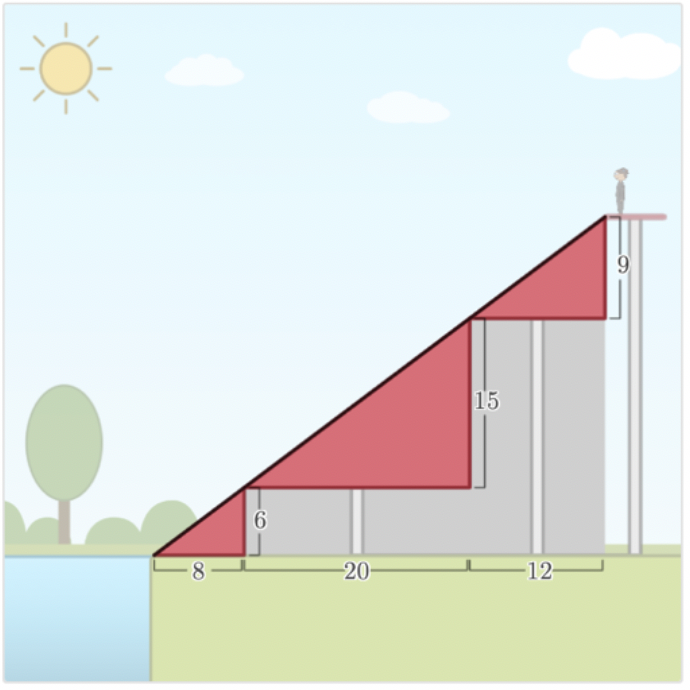
 The lesson begins with students altering triangles to create a “smooth water slide.” What I love about the start of this lesson is the visual relationship between the triangles and slide void of any mathematical language—a welcoming entry point to making sense of slope. The premise is simple, adjust the triangles to make the slide work.  Students are successful when they can create triangles the satisfy the conditions of making a smooth slide.  Feedback is visual and engaging and gives purpose to creating similar triangles.

Bumpy Versus Smooth Slide

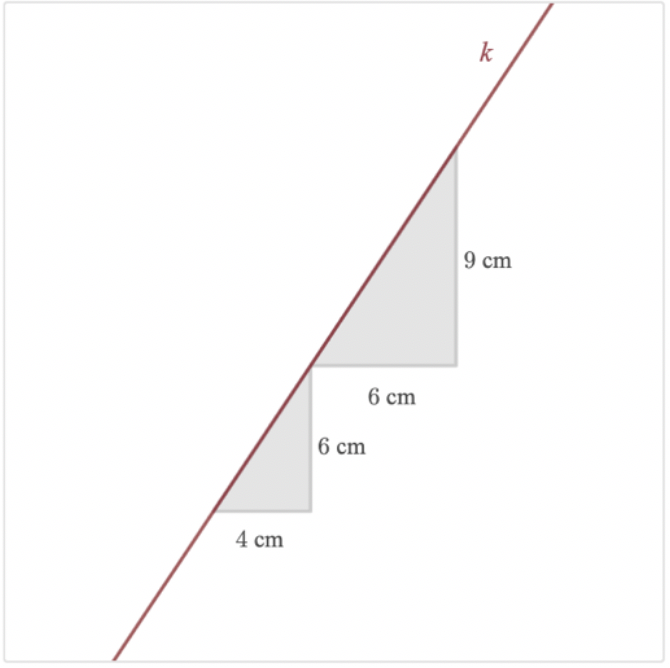
The lesson continues by layering numerical values to illustrate the proportional relationships among triangles and the shared unit rate.  Students enter values and see how they impact their slide, only when they create triangles with the same unit rate will their slide work.   Desmos offers little direct instruction for students but instead guides them to discover the relationships among the triangles and numbers as mathematicians.

Exploring Proportional Relationships

The learning progression’s final piece has students practice computing slope to foster procedural fluency from the conceptual understanding the lesson developed in the initial screens. Even at this point in the lesson, Desmos defines slope only as steepness. It does not try to bog students down with formulas or complex academic language.  Students build their understanding first and create a personal working definition that supports their mathematical identity. They can then apply this definition to the practice problems that follow the water slide experience. As students reflect on the learning experience and apply their new knowledge, they can see how all the mathematical ideas used in this lesson: similar triangles, proportional relationships, unit rate, and slope connect as they continue to explore the story of linear relationships. A well-constructed set of mathematical connections, such as those in this lesson, is an indication of a quality curriculum.

Practicing Calculating Slope

On a final note, I lead a group of teachers through this lesson as it is essential for teachers to experience lessons as students.  At one point in the lesson, students can create a slide with a slope they choose.  It was interesting that all the teachers tried to build the most harrowing slide possible.  I don’t know what this necessarily says about our math teachers, maybe they have been around middle schoolers too long.  However, if the lesson was able to spark the curiosity of teachers who already know the story of slope, our students will be captivated.

Teacher Created Slides

Resources

National Council of Teachers of Mathematics. (2014). Principles to actions: Ensuring mathematical success for all.  Reston, VA :NCTM, National Council of Teachers of Mathematics.
Boaler, J., Munson, J., & Williams, C. (2020).  Mindset mathematics: Visualizing and investing big ideas, grade 8.  Hoboken, NJ: Jossey-Bass.