
Just over a year ago, I found myself in front of a group of educators—math teachers, instructional coaches and principals—when I asked a simple question: “Have you heard of ChatGPT?” I was surprised when only a handful of hands went up. I showed ChatGPT live on that day solving a system of equations, and it captured the room immediately. Artificial Intelligence (AI) is now used across all industries such as: education, healthcare, business etc.
Like most folks, I have spent the past year or so playing with AI to generate ideas, complete task and create images. Tools like ChatGPT feel like a powerful search engine or a type of conversation going back and forth with questions and answers. And like search engines, the answers aren’t always good. They are sometimes useful, but other times they get it wrong or at very least not what I am looking for.
My experience with ChatGPT has been similarly mixed when I apply it to the process of creating content. While it can complete simple tasks and generate passable content or “stuff” that will aide in what I am trying to do or save me time, the results often come off as unauthentic or lacking some element of what I am trying to create or express and needs tweaking. This highlights an important point that the implementation of AI in education is here to support our work, but it can not replace all of what we do. Understanding that, the National Council of Teachers of Mathematics (NCTM, 2024) issued a position statement on AI, highlighting three points:
- AI Tools Do Not Replace the Need to Teach Math or Problem Solving.
- AI Tools Encourage Teachers to Reimagine Teaching and Assessment
- AI Tools Can Personalize Learning
AI Tools Do Not Replace the Need to Teach Math or Problem Solving
AI tools like ChatGPT are transforming how teachers approach tasks such as creating quizzes. For instance, what once required 20-30 minutes to craft, writing 10 questions and their answer key, can now be accomplished in under a minute. This efficiency is undeniably beneficial, saving educators valuable time. However, the impact of AI on student learning raises concerns. Students may use AI to answer the questions provided just as efficiently, often bypassing the essential steps of critical thinking and problem-solving. However, students need to engage in the process of problem solving to be able to contest moments in which technology may not reach the desired outcome or to iterate on a process to make it more effective or efficient.
It is also important to note that tools like ChatGPT are powerful, they are not without errors. They openly acknowledge their limitations, often noting at the bottom of the interface that errors may occur. For example, ChatGPT states “ChatGPT can make mistakes.” Side note, a fun time waster is trying to create prompts that leads to errors from AI. Can I get ChatGPT to tell me things that I know are false? The possibility that AI will make mistakes emphasizes the importance of students developing a deep understanding of the mathematics or context behind problems, enabling them to critically evaluate and validate AI-generated responses while fostering independent thinking.

Furthermore, numbers are more than just values; they represent relationships and contexts that require thoughtful interpretation. AI is solid at computation and procedure but needs help grasping context nuances or deeper problem-solving connection. The implementation of new technologies makes it crucial for educators to teach students as part of the problem solving process, how to be:
- Question creators: Frame thoughtful and specific questions.
- Process analyzers: Analyze the processes and reasoning AI uses to generate responses.
- Answer verifiers: Verify the accuracy and relevance of the answers provided.


By embracing this approach, teachers can leverage AI to complement, not replace, the process of teaching math and problem-solving.
AI Tools Encourage Teachers to Reimagine Teaching and Assessment.
As a student, my experience with mathematics often revolved around solving pre-defined problems by following a fixed set of steps and verifying answers. This procedural approach, which emphasized execution over exploration, consumed much classroom time. However, with AI now capable of efficiently handling many of these procedural tasks in response to student queries, there is a critical opportunity and need to reimagine the role of mathematics education.
Instead of positioning students as mere executors of processes, we must empower them to become critical thinkers, questioners, and verifiers. Mathematics classrooms should shift focus toward understanding problems deeply, thoughtfully formulating questions, and critically analyzing AI-generated solutions. This approach elevates cognitive engagement, moving the intellectual challenge to where it matters most: defining the problem, asking insightful questions, and interpreting meaningful outcomes.
The integration of AI has already catalyzed the emergence of new fields like prompt engineering, which centers on crafting precise questions to optimize AI responses. Prompt engineers bridge the gap between human intention and AI output, underscoring the importance of inquiry, critical thinking, and analytical problem-solving—skills essential for today’s learners.
To cultivate this “prompt engineering mindset” in math classrooms, teachers can design open-ended tasks that shift ownership of the learning process to students. For instance, instead of completing a pattern and detailing the steps taken, students could create their own patterns, define the input, process, and output, and explain why their pattern works. This task challenges students to think creatively, justify their reasoning, and evaluate their solutions—skills that align seamlessly with the demands of AI-enhanced learning environments and the modern world.
Completing the pattern in math class.

Re-imagined Prompt Engineering Mindset:
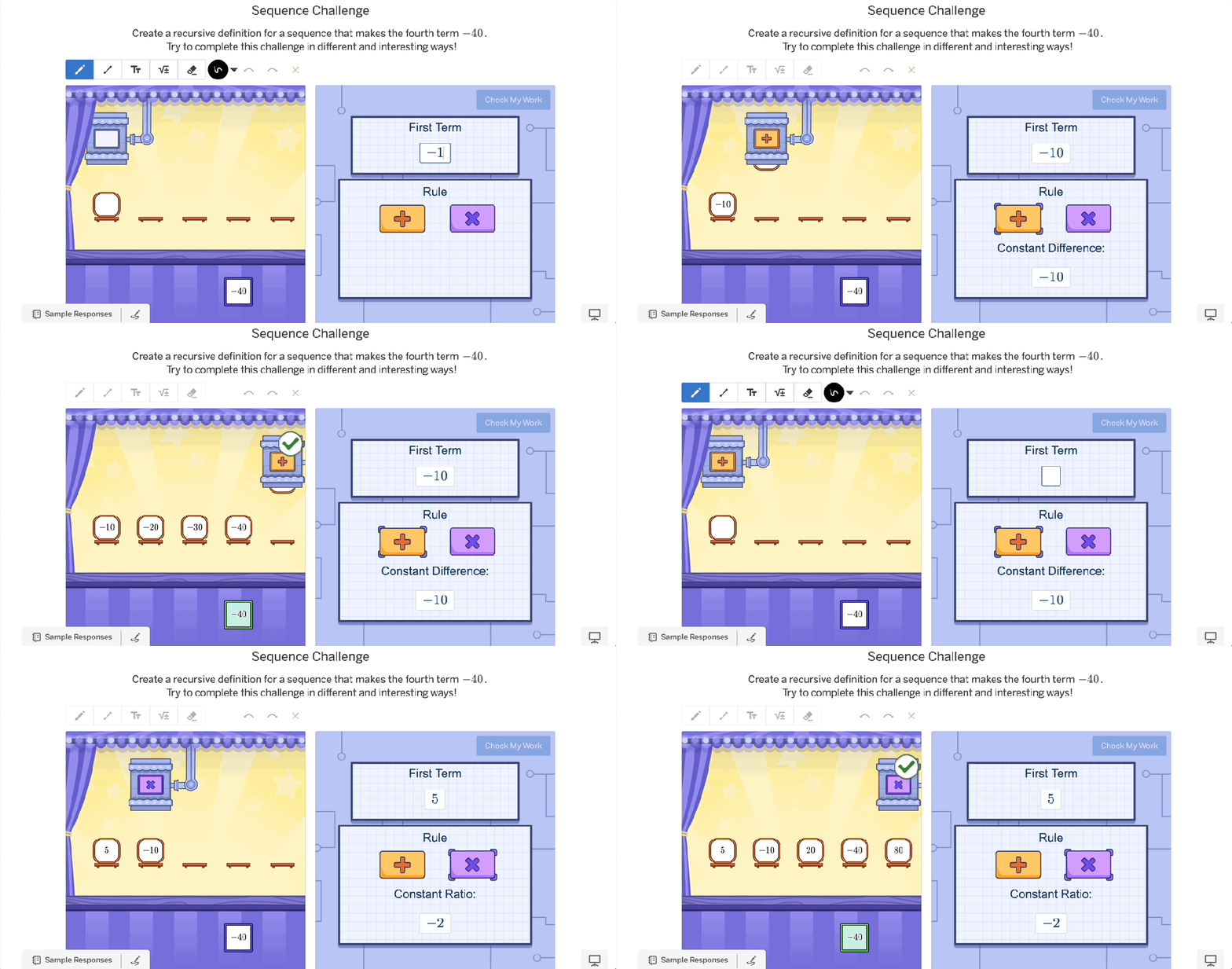
By reimagining teaching and assessment through AI, we can transform mathematics classrooms into spaces where students not only solve problems but also learn to ask the right questions, interpret solutions critically, and engage in deeper, more meaningful learning.
AI Tools Can Personalize Learning
Personalized instruction has been introduced previously. It has been a part of education since the advent of computers. A notable example comes from Erlwanger’s (1973) study on individually prescribed mathematics instruction. This approach focused on identifying clear outcomes, ensuring mastery, and assessing progress. Interestingly, Erlwanger’s work highlighted the promise and challenges of personalized learning. One case involved a student named Benny, who demonstrated a fundamental misunderstanding of a concept but achieved positive results within the program. This scenario underscores that personalized learning isn’t just about outcomes—it’s about the depth and authenticity of the learning experience.
For many of us, early experiences with personalized instruction evoke memories of computer labs and educational games. I recall spending Fridays playing The Oregon Trail. It felt incredibly personal when my character died due to dysentery!
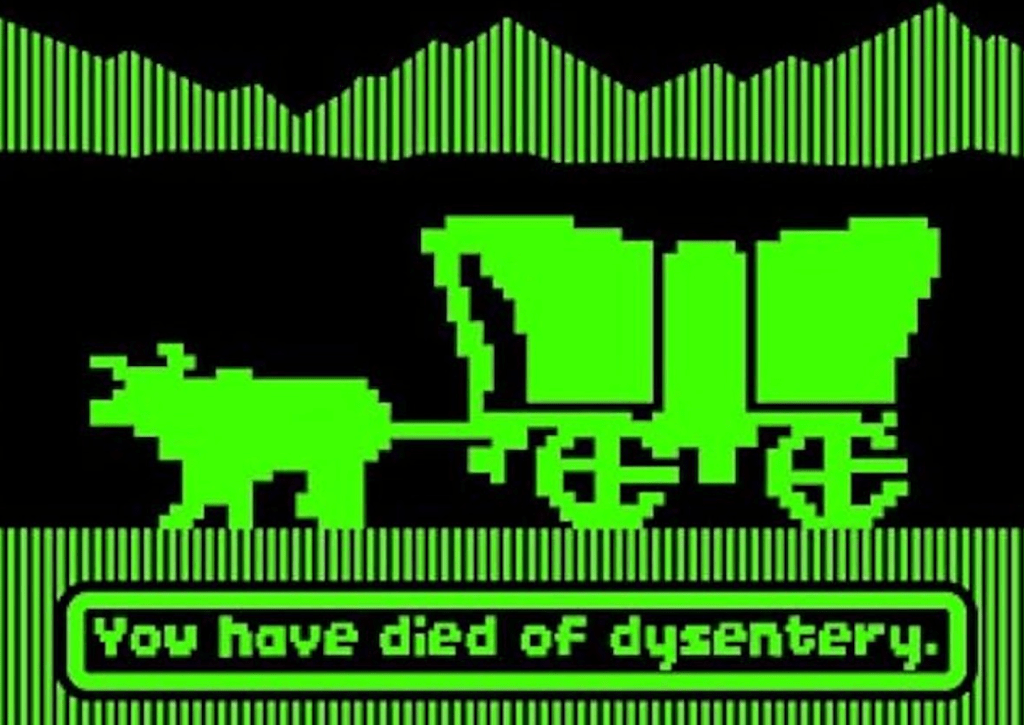
Today, AI tools promise to revolutionize personalized learning, but they also raise critical questions:
- What is being personalized? Is it the content, the context, the skill level, or the specific needs of the students?
- How is the student’s input valued? Is the focus solely on their answers, or does it also consider their process, prior knowledge, and interests?
In my exploration of various AI-driven personalized instruction tools, I’ve observed three common responses:
- Providing a new piece of information to support the student’s progress.
- Encouraging the student to try again, often with additional guidance or steps completed.
- Suggesting a new example or moving on to a different concept.

While these responses can be helpful, they often feel inauthentic. Personalized instruction based on generalizations can feel less than personal.
An example of meaningful personalization comes from an Amplify Desmos Math activity like “Fruit Lab.” This activity allows students to select different fruit types that reflect their preferences or backgrounds. Their choices, whether more significant numbers, smaller numbers, or specific pieces of fruit, bring their input to life on the screen. This approach values student agency and creates an organic, authentic learning experience.
AI tools have immense potential to enhance personalized learning, but the focus must be on genuine engagement. By prioritizing student input, interests, and authentic interactions, we can ensure that personalization feels meaningful and impactful—not just a one-size-fits-all algorithmic solution.
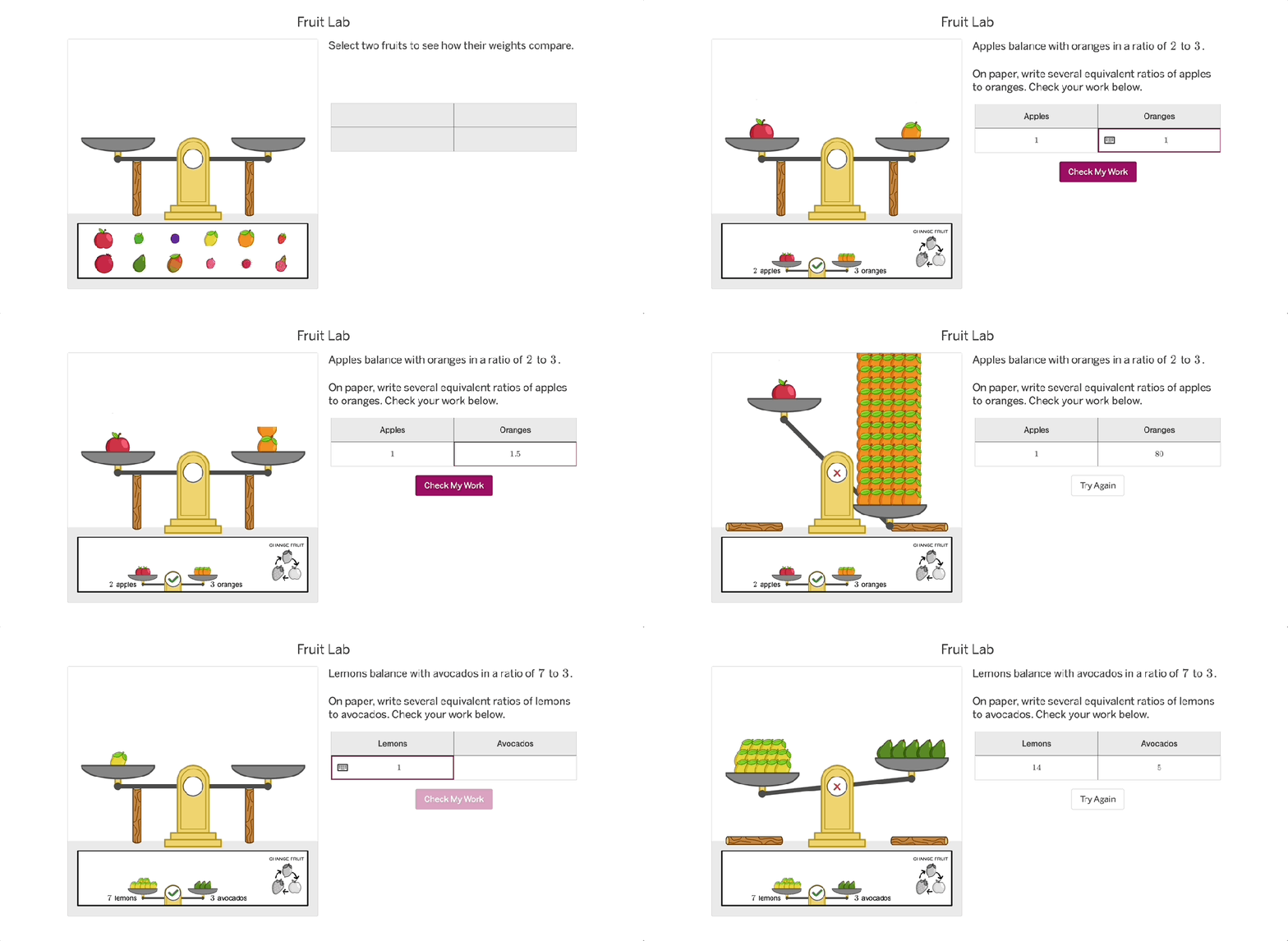
Fruit Lab from Amplify Desmos Math
Curiosity About AI
As with any new technology, I have my own curiosities and enjoy exploring and experimenting. One of the things I tried was using DALL·E, ChatGPT’s image creation tool. I entered the prompt: “A bald person wearing glasses riding [ blank ]” and fill in the blank with about 50 different animals, ranging from a tiger to a dolphin to a unicorn. What surprised me was how the generated images varied based on the background and the chosen animal.






One of the best math educators I’ve ever worked with was a bald individual with alopecia who identified as female. I wondered how or why AI assigns particular attributes like skin color, race, or gender when creating images of people. Does the AI make assumptions, and if so, on what basis? This made me consider whether my biases influenced the outcomes, consciously or unconsciously, through my prompts or expectations.
To explore further, I tried a different approach by entering prompts like “reading” versus “math.” I wanted to observe how these topics were depicted and began reflecting on whether we unconsciously assign certain stereotypes or perceptions to different fields of study. Are some issues seen as more serious or prestigious? Do we associate certain activities with specific groups of people?
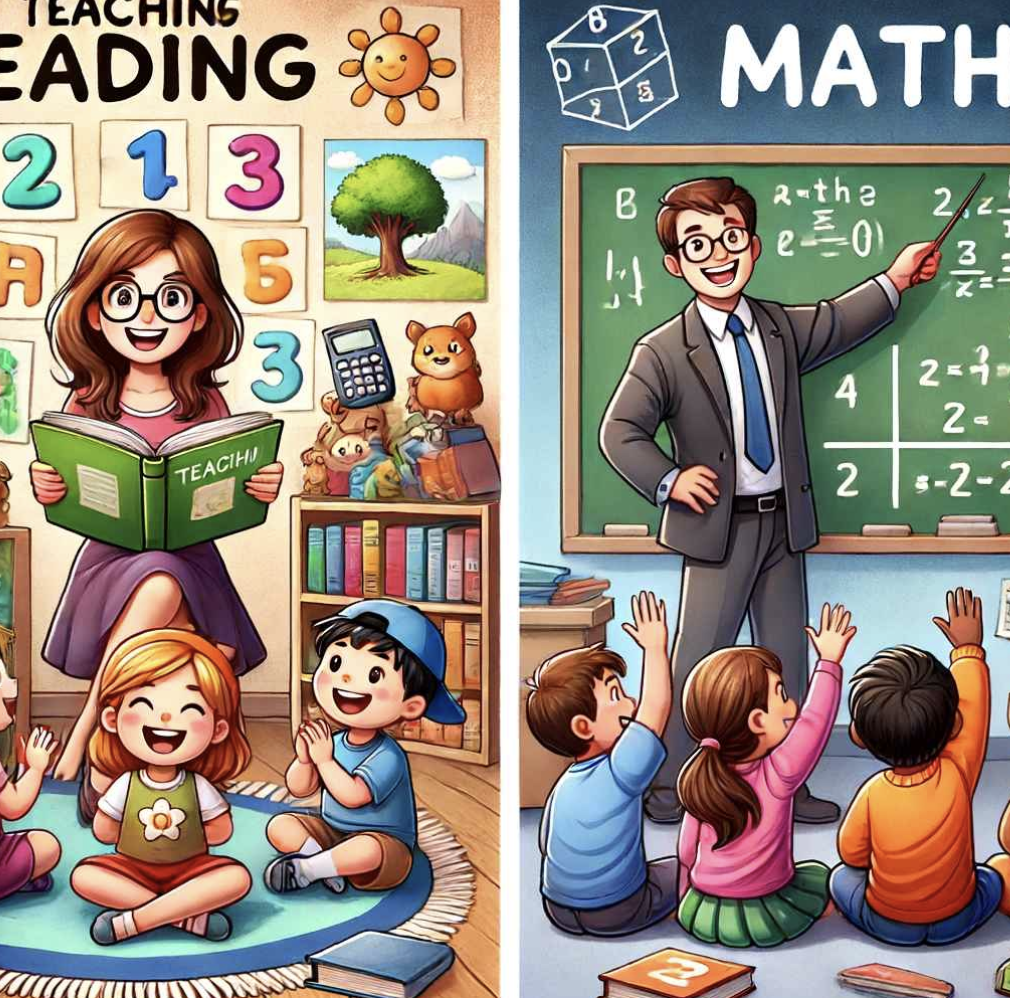

These questions reminded me the importance of being mindful of how we present topics to students—including or excluding certain groups through representation. As educators and technologists, we must intentionally foster inclusivity and critically examine the biases we bring into our interactions with AI and each other.
Promise and Limitation
As we consider the transformative potential of AI in education, particularly in mathematics, it’s clear that we’re at a pivotal moment. The National Council of Teachers of Mathematics (NCTM) challenges us to rethink teaching and assessment: how we structure classroom experiences, the kinds of questions we ask, and the ultimate goals we set for our students. Are we preparing them to become problem-solvers and critical thinkers—or even, in some cases, prompt engineers who navigate complex tools like AI?
Our role as math educators has never been more vital. AI presents exciting opportunities to personalize learning, streamline workflows, and automate routine tasks, allowing us to focus more on creativity and deeper connections with students. However, we must proceed thoughtfully. Personalization driven by AI may sometimes rely on broad generalizations, and it is essential to remain critical of its design and implementation.
While AI can support and enhance our work, it will never replace the human connection at the heart of effective teaching. True adaptability, fostering a sense of belonging, and addressing biases with intention are inherently human qualities that technology cannot replicate. Let’s leverage AI as a tool, not a replacement, so that we can continue to inspire students and equip them to solve tomorrow’s problems.
 Kurt Salisbury